3D Christmas Letter Q: A Practical Guide to Getting the Best Cut Files for Your Holiday Projects
When you are looking to create a standout holiday decoration, 3D Christmas Letter Q offers a unique opportunity to add depth and charm to your seasonal displays. Unlike flat cutouts that lie against a wall or table, a three-dimensional letter brings a tactile quality that instantly elevates the visual appeal of your craft. Whether you are a seasoned maker with a workshop full of machines or a beginner just starting your DIY journey, understanding how to properly source and utilize this specific file is crucial for achieving professional results.
The excitement of downloading a new design often leads many creators to skip the fine print. However, the difference between a project that looks like a store-bought item and one that feels homemade often comes down to file compatibility and format selection. Before you dive into your cutting software, it is essential to know exactly what you are getting in that zipped folder and how to avoid common pitfalls that can waste time, material, and money.
Navigating File Formats: Why One Size Does Not Fit All
One of the most frequent misunderstandings among crafters involves the variety of formats included in a single download. When you purchase a package containing SVG, DXF, PNG, and EPS files, it is tempting to simply open the first one you see. This approach often leads to frustration when the file does not behave as expected in your specific software environment.
SVG (Scalable Vector Graphics) is the industry standard for modern cutting machines. It is designed to work seamlessly with Cricut Design Space, Silhouette Designer Edition, Make The Cut MTC, Sure Cuts A Lot SCAL, and Brother Scan and Cut "Canvas" software. These programs rely on the SVG structure to interpret layers and curves accurately. If you are using these platforms, the SVG is your primary tool. However, beginners sometimes try to import an SVG into older versions of software that do not support vector layering, resulting in a flattened mess that cannot be cut correctly.
For users operating with Silhouette Basic Edition, the situation is different. The free version of this software has limitations regarding proprietary formats. In this case, the DXF (Drawing Exchange Format) provided in the download is your best friend. While the DXF lacks some of the advanced layering features of the SVG, it ensures that the geometry of the 3D Christmas Letter Q remains intact without requiring a paid upgrade. Ignoring this distinction can lead to wasted subscription fees or the inability to use the design at all.
EPS (Encapsulated PostScript) files serve a different purpose entirely. They are the go-to choice for graphic designers working in CorelDraw, Inkscape, or Adobe Illustrator. If your goal is to manipulate the letter Q for a custom logo, add intricate text, or prepare high-resolution print materials, the EPS is the correct choice. Using an EPS file directly on a Cricut machine without converting it first will result in an error. Always match the file extension to the capabilities of your software.
Finally, the PNG (Portable Network Graphics) file is often misunderstood as a cutting file. It is actually a raster image with a transparent background at 300 DPI. This format is perfect for printing designs onto cardstock or creating digital overlays, but it cannot be sent to a cutting blade to trace paths. Attempting to use a PNG for cutting requires tracing the image manually, which introduces human error and inconsistency. Recognizing the PNG as a photo asset rather than a vector path saves hours of unnecessary work.
Avoiding Common Mistakes in Assembly and Application
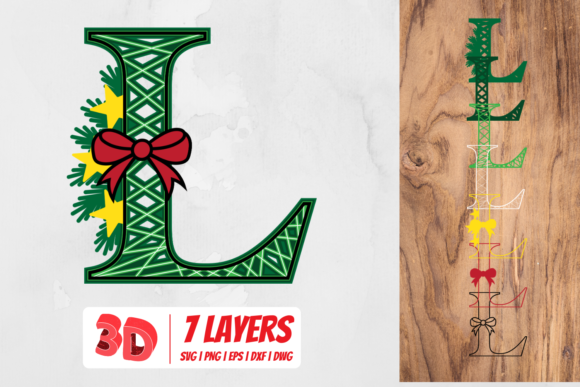
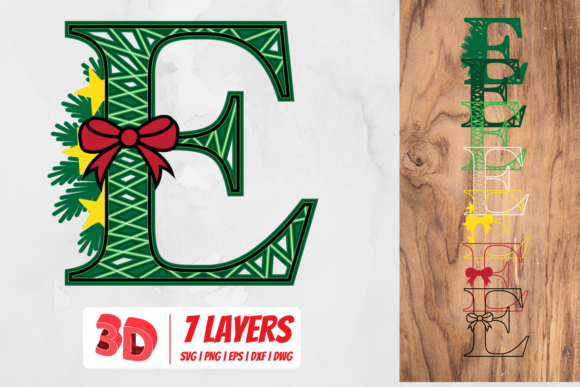
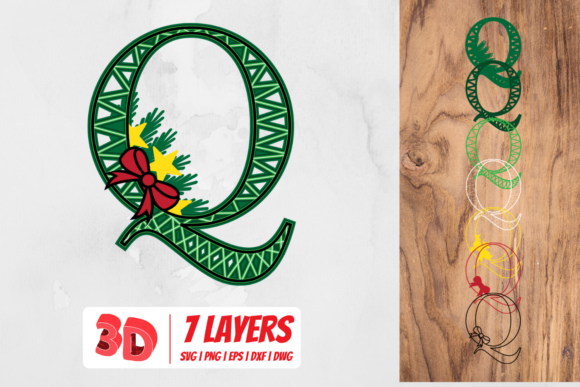
Once you have successfully opened the correct file, the next hurdle is the assembly process. The term "3D" implies multiple layers that must be stacked to create the illusion of depth. A common mistake is assuming the file includes pre-assembled instructions or that the layers are automatically sized correctly for your desired final dimensions.
Without careful scaling, you might end up with a letter Q that is too small to see from across the room or so large that it won't fit on your intended display surface. Furthermore, the alignment of the inner and outer cuts is critical. If the layers are not perfectly centered before cutting, the finished product will look lopsided and unprofessional. This misalignment can ruin the aesthetic of a gift tag or a centerpiece, making a well-intentioned effort look rushed.
Another overlooked detail is the material selection. Just because a file works digitally does not mean it will cut well physically. Thick chipboard behaves differently than thin cardstock. If you choose a material that is too rigid for the complexity of the 3D Letter Q design, the delicate connecting points may snap during the cutting process. Conversely, if the material is too flimsy, the layered structure may collapse under its own weight. Always test a small section of your design on scrap material before committing to expensive supplies.
Maximizing Efficiency and Quality Control
To ensure your project runs smoothly, take a moment to inspect the downloaded folder immediately after extraction. Check that all four file types are present and that the file names correspond to the 3D Christmas Letter Q design. Corrupted downloads happen more often than people admit, and discovering a missing file after you have already set up your machine is frustrating.
When preparing your design in software, look for the option to "Weld" or "Union" the layers if your machine struggles with complex overlapping paths. This step simplifies the cutting order and reduces the risk of the blade lifting off the mat prematurely. Additionally, consider the orientation of the letter. Sometimes, rotating the design by 90 degrees can optimize the layout on your cutting mat, allowing you to cut multiple letters at once and significantly reducing material waste.
For those using the design for commercial purposes, such as selling handmade ornaments or greeting cards, verify the licensing terms associated with the download. Many creators assume that a personal license allows for unlimited resale, which can lead to legal issues. Ensure you understand whether the purchase grants rights for personal use only or if a commercial license is required for selling finished products featuring the 3D Christmas Letter Q.
Final Thoughts on Smart Crafting Choices
Creating with technology should be about enhancing creativity, not fighting with file formats. By taking the time to understand the specific strengths of SVG, DXF, EPS, and PNG files, you position yourself for success. The 3D Christmas Letter Q is a versatile element that can transform a simple holiday decor idea into a memorable piece of art. Avoid the trap of rushing through the setup phase; instead, invest a few extra minutes in checking your software compatibility and material choices.
Whether you are building a festive wreath, designing a personalized sign, or crafting a unique gift, the quality of your output depends on the foundation you lay. Choose the right file for your machine, respect the limits of your materials, and double-check your assembly steps. With these practical adjustments, your holiday projects will not only look better but also be more efficient to produce, leaving you more time to enjoy the season.