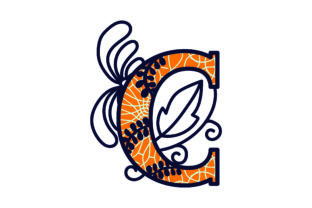
Unlocking Creativity with 3D Layered Alphabet - C
In the world of design and crafting, finding a single element that bridges the gap between simple typography and complex structural art can be a challenge. Many hobbyists, educators, and professional designers struggle to find resources that offer both visual impact and practical versatility. This is where 3D Layered Alphabet - C becomes an essential asset. Whether you are looking to create a stunning centerpiece for a classroom event or designing a high-end logo for a boutique brand, this specific design offers a unique solution that transforms a standard letter into a multi-dimensional masterpiece.
The concept behind the 3D Layered Alphabet - C goes far beyond a flat image. It represents a sophisticated approach to visual communication, utilizing depth and texture to capture attention instantly. By breaking down the letter "C" into distinct, stacked layers, the design mimics the physical construction of a sculpture while remaining accessible for digital creation and cutting machines. For adults seeking practical answers to their design problems, understanding how to leverage this layered format is the key to unlocking a new level of creativity.
Understanding the Core Design Philosophy
At its heart, the 3D Layered Alphabet - C is built on the principle of depth through separation. Unlike a standard vector outline that relies solely on color gradients to simulate three-dimensionality, this design uses actual physical separation between segments. Each layer acts as a stepping stone, creating a shadow effect that gives the illusion of height and volume. This technique is particularly effective because it allows the user to control the intensity of the 3D effect simply by adjusting the spacing between the layers.
This approach addresses a common frustration in the crafting community: the difficulty of making two-dimensional materials look substantial. When working with paper, wood, or acrylic, achieving a true 3D look often requires complex joinery or expensive machinery. The layered alphabet design simplifies this process. By providing pre-defined layers, it removes the guesswork from the assembly process. Users can focus on the artistic outcome rather than the engineering challenges of constructing the letter from scratch.
Solving Common Crafting and Design Challenges
Many individuals face specific hurdles when attempting to create dimensional letters for projects. One of the most significant challenges is maintaining consistency across multiple pieces. If you are building a sign that says "OPEN" or a decorative wall display spelling out a name, ensuring every letter has the same depth and alignment can be time-consuming and frustrating. The 3D Layered Alphabet - C solves this by offering a standardized template that guarantees uniformity.
Another common issue is material waste. Traditional methods of creating 3D letters often involve cutting away large sections of material to carve out the shape, leading to significant scrap. With the layered approach, the design utilizes the full surface area of the material. Each layer is cut precisely, minimizing waste and maximizing the value of expensive substrates like balsa wood, thick cardstock, or premium vinyl. This efficiency makes the design not only aesthetically pleasing but also economically viable for larger projects.
Furthermore, beginners often feel intimidated by the prospect of assembling a 3D object. The fear of misalignment or structural instability can prevent them from starting. The layered format mitigates this risk. Because the layers are designed to stack perfectly, the assembly process becomes intuitive. Even those with limited experience in woodworking or advanced crafting can achieve professional results by following the straightforward stacking method inherent to the 3D Layered Alphabet - C.
Practical Applications Across Industries
The versatility of the 3D Layered Alphabet - C extends across a wide spectrum of applications, catering to diverse needs and goals. In the educational sector, teachers utilize these designs to create interactive learning tools. Imagine a classroom where students build their own 3D letters to learn about geometry, volume, and spatial reasoning. The tactile nature of assembling the layers reinforces learning outcomes in a way that flat textbooks cannot.
For event planners and decorators, the design offers a cost-effective way to create custom signage and centerpieces. Weddings, corporate galas, and birthday parties often require personalized decor. Using the layered format, decorators can quickly produce monogrammed letters that stand out without the need for expensive foam core or laser-cutting services. The ability to choose different materials for each layer—such as contrasting colors or textures—allows for endless customization options.
Small business owners and branding experts also find immense value in this resource. A logo that incorporates a 3D layered element immediately commands attention and conveys a sense of quality and craftsmanship. The 3D Layered Alphabet - C can serve as a standalone icon or part of a larger typographic system. Its clean lines and structured depth make it adaptable to various brand identities, from modern tech startups to artisanal food brands.
Maximizing Outcomes with Diverse User Approaches
Different users will naturally approach the 3D Layered Alphabet - C in unique ways depending on their specific goals and available resources. For the digital-first designer, the availability of the design in SVG File, Transparent PNG, EPS, and DXF formats is crucial. These formats ensure seamless integration into software like Adobe Illustrator, Cricut Design Space, or AutoCAD. A graphic designer might use the SVG to create a digital mockup, animating the layers to show how they would separate and rotate, while a fabricator uses the DXF file to program a CNC router.
Conversely, the hands-on crafter might prioritize the physical aspect of the project. They may choose to print the Transparent PNG onto adhesive backing to create stickers, or use the EPS file to cut intricate shapes from felt or leather. The flexibility of the design means that a single purchase can support a project ranging from a quick weekend craft to a month-long commercial installation. Users are encouraged to experiment with different thicknesses of material; using thicker stock for the base layers and thinner sheets for the top details can enhance the dramatic effect of the 3D illusion.
Recommendations for Successful Implementation
To get the most out of the 3D Layered Alphabet - C, it is important to plan your material selection carefully. Consider the environment where the final piece will be displayed. For outdoor use, weather-resistant materials like PVC or treated wood are necessary to ensure longevity. For indoor displays, delicate materials like tissue paper or vellum can add a soft, ethereal quality to the letter. Always test a small section of your design before committing to the entire project to ensure the layer spacing looks balanced at your chosen scale.
Assembly techniques also play a vital role in the final outcome. While glue is the most common method, using spacers such as small foam dots or wooden dowels between layers can elevate the design further, adding even more pronounced shadows. For a cleaner finish, consider sanding the edges of wooden layers before painting or staining them. This attention to detail ensures that the 3D Layered Alphabet - C looks polished and professional, regardless of the medium used.
Ultimately, the success of any project involving this design lies in the user's willingness to experiment. The provided formats give you the freedom to manipulate the design digitally before bringing it to life physically. Whether you are aiming for a minimalist aesthetic or a bold, statement-making piece, the 3D Layered Alphabet - C provides the foundational structure needed to achieve your vision. By embracing the layered approach, you transform a simple letter into a dynamic focal point that engages viewers and elevates your work to a new standard of excellence.