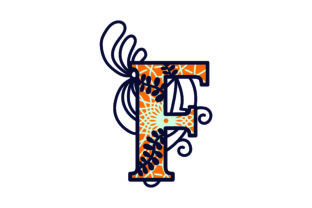
3D Layered Alphabet - F: Creative Possibilities
The letter F often serves as a structural anchor in design, appearing frequently in headlines, logos, and educational materials. However, the 3D Layered Alphabet - F transforms this common character into a dynamic visual element that demands attention. This specific asset is not merely a flat shape; it is a constructed object designed to create depth, shadow, and dimensionality without requiring complex 3D modeling software. By stacking layers of color and form, designers can achieve a tactile quality that bridges the gap between digital graphics and physical signage.
What makes this variation particularly interesting is its versatility across different mediums. Whether you are a small business owner creating a storefront sign or a blogger looking to elevate a featured image, the layered approach offers a solution that feels substantial yet remains lightweight in file size. The design allows for infinite customization through color palettes and layer spacing, ensuring that every project retains a unique identity while maintaining professional consistency.
Understanding the Structure and Utility
The core appeal of the 3D Layered Alphabet - F lies in its modular construction. Unlike solid 3D extrusions that can be difficult to edit or heavy for web use, this design relies on distinct planes stacked upon one another. This technique mimics the look of cut paper, wood, or acrylic, providing a sense of volume that engages the viewer's eye immediately.
- Depth Perception: The separation between layers creates natural shadows, adding realism without manual shading work.
- Scalability: Because the design is vector-based, it scales from a tiny favicon to a massive billboard without losing crisp edges.
- Adaptability: Users can adjust the number of layers or their thickness to suit the desired level of boldness.
This structure is ideal for creators who need high-impact visuals but lack the time to model complex geometries from scratch. It provides a ready-made foundation that supports creativity rather than hindering it with technical constraints.
Creative Applications Across Industries
The utility of the 3D Layered Alphabet - F extends far beyond simple typography. Different professionals can leverage this asset to solve specific communication challenges in their respective fields. For marketers, the letter can serve as a powerful hook in social media campaigns, drawing users into an ad or blog post. The three-dimensional effect stops the scroll by offering a visual break from standard flat text.
Educators and content creators find value in using this style for instructional materials. When teaching concepts related to structure, engineering, or even language arts, a layered F can visually represent the idea of building blocks or foundational elements. It adds a playful yet serious tone to presentations, making abstract concepts more concrete for students.
Entrepreneurs and freelancers often need branding assets that stand out in crowded marketplaces. Incorporating a layered F into a logo or brand guideline document signals a commitment to detail and craftsmanship. It suggests that the business pays attention to the "layers" of their service, implying depth and thoroughness. Small business owners might use this design for product packaging, window decals, or promotional flyers where durability and visual impact are crucial.
Technical Flexibility and Format Advantages
One of the most practical aspects of acquiring this design is the variety of formats available. Receiving the 3D Layered Alphabet - F in SVG, Transparent PNG, EPS, and DXF files ensures compatibility with almost any workflow. Each format serves a distinct purpose, allowing the user to choose the right tool for the job.
- SVG Files: Perfect for web developers and UI/UX designers. These files remain crisp at any resolution and can be animated via CSS or JavaScript for interactive websites.
- Transparent PNGs: Ideal for quick insertion into presentation slides, email newsletters, or graphic editing tools like Photoshop. The transparent background eliminates the need for manual masking.
- EPS Files: Essential for print professionals. This vector format ensures that the layers remain editable when sent to commercial printers for large-format output.
- DXF Files: Crucial for makers and fabricators. If you plan to cut the design using a laser cutter or CNC machine, the DXF format provides the precise coordinates needed for accurate manufacturing.
This multi-format delivery system removes the friction often associated with digital assets. You do not need to convert files or worry about losing data integrity when moving from a digital screen to a physical production line.
Styling Strategies for Unique Results
To maximize the potential of the 3D Layered Alphabet - F, consider experimenting with material simulations. While the base design is neutral, applying textures can completely change its character. Imagine rendering the layers with a brushed metal texture for a tech-focused brand, or using a matte paper finish for a creative agency portfolio.
Color theory plays a significant role here. Using monochromatic shades within the layers can create a subtle, elegant gradient effect. Alternatively, contrasting colors between layers can make the design pop, suitable for children's products or energetic event promotions. The key is to maintain consistency; if the layers vary too wildly in hue, the 3D illusion may become chaotic rather than cohesive.
For those working on physical projects, the F can be printed on different materials to enhance the layered effect. Acrylic sheets, foam board, or even cardstock can be used to physically construct the design. This approach is particularly effective for trade show displays or classroom decorations where the audience can walk around the object and see the depth from multiple angles.
Maintaining Professional Standards
While the design offers great freedom, it is important to apply it with intention. Overusing the 3D effect can lead to visual clutter, especially in text-heavy documents. Use the 3D Layered Alphabet - F as a focal point rather than a background element. Reserve it for headers, key terms, or primary calls to action where maximum emphasis is required.
Consistency is also vital for brand identity. Once you select a specific layer thickness and color palette for the letter F, apply those same rules to other letters if you expand your alphabet set. This ensures that your visual language remains unified across all platforms, from your website to your printed brochures. Avoid mixing this style with flat, two-dimensional fonts unless the contrast is intentional and well-balanced.
Finally, always test your designs in context. A 3D letter that looks stunning on a dark background might lose its definition on a light surface. Check how the shadows interact with the surrounding environment before finalizing the asset. This attention to detail separates amateur attempts from professional-grade design work.
Conclusion
The 3D Layered Alphabet - F represents a bridge between traditional typography and modern digital design. It offers a practical, scalable, and visually engaging solution for a wide range of users. By understanding its structural benefits and leveraging the available file formats, creators can produce work that is both aesthetically pleasing and functionally effective. Whether you are crafting a digital campaign or a physical prototype, this asset provides the foundation for impactful communication.