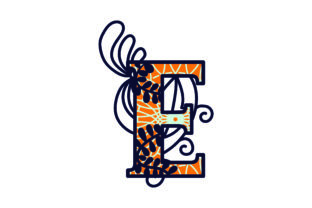
Understanding 3D Layered Alphabet - E: A Comprehensive Design Evaluation
In the realm of digital design and physical fabrication, few elements offer as much versatility as a single letter when treated with depth. The 3D Layered Alphabet - E represents a specific approach to typography that moves beyond flat vector graphics into the third dimension. This design is not merely a font file; it is a structural asset intended for creators who require tangible depth in their projects. Whether you are working on signage, scrapbooking, educational materials, or architectural models, understanding the nuances of this layered format is essential for achieving professional results.
The core concept behind the 3D Layered Alphabet - E involves constructing the character through multiple distinct planes rather than rendering a solid block. Each layer acts as a slice of the final object, allowing the user to control spacing, texture, and material transitions between levels. This method stands in contrast to standard extrusion tools found in many 3D modeling suites, which often produce uniform blocks without internal segmentation. By breaking the letter down into its constituent layers, designers gain granular control over the visual weight and shadow play of the character.
Distinguishing Features of the Layered Approach
What makes the 3D Layered Alphabet - E distinct from other typographic resources is its modularity. In traditional 3D text generation, the entire letter is created as a single mesh. If a designer wants to add an inset pattern or change the color of the middle section, they must manipulate the geometry of the whole object. With the layered version, each segment can be manipulated independently before assembly. This separation allows for creative techniques such as alternating wood grains, inserting neon lighting between layers, or creating a stepped effect where the edges do not align perfectly.
The design files provided—SVG, Transparent PNG, EPS, and DXF—support this modularity across different software ecosystems. The SVG File format is particularly valuable for web-based design and scalable vector graphics applications, ensuring that the crisp edges of each layer remain sharp regardless of zoom level. For those using cutting machines like Cricut or Silhouette, the SVG format preserves the individual cut paths necessary for precise fabrication. The EPS file offers compatibility with professional desktop publishing software like Adobe Illustrator, while the DXF format bridges the gap to CNC machining and laser cutting hardware. The inclusion of a Transparent PNG provides a quick preview option, allowing users to visualize the stacked result without needing to open complex vector files.
Comparing Layered Designs to Solid Extrusions
When evaluating the 3D Layered Alphabet - E, it is helpful to compare it against the more common alternative: solid extruded text. Solid extrusion is the default setting in most 3D modeling programs and is ideal for rapid prototyping where speed is the priority. However, this method has limitations regarding material usage and aesthetic complexity. A solid block of text requires a uniform material throughout, limiting the ability to create multi-material effects without complex post-processing.
In contrast, the layered approach offers superior aesthetic potential for decorative applications. Consider a scenario where a designer needs to create a wall sign for a boutique hotel. Using a solid extrusion might result in a heavy, monolithic look that feels out of place in a delicate interior. By utilizing the 3D Layered Alphabet - E, the creator can construct the "E" using thin strips of reclaimed wood, leaving gaps between the layers that allow light to filter through, creating a dynamic interplay of shadows. This technique transforms a static letter into a piece of kinetic art that changes appearance based on the time of day and lighting conditions.
Furthermore, the layered format addresses cost efficiency in manufacturing. When producing items via laser cutting or waterjet slicing, material waste is a significant factor. A solid extrusion designed for a large sign would consume a massive sheet of material. The layered version, however, can be nested efficiently within a single sheet, reducing waste and lowering the overall cost per unit. For small-batch production runs, this distinction can be the difference between a profitable project and one that barely breaks even.
Tradeoffs and Practical Limitations
While the benefits of the 3D Layered Alphabet - E are substantial, it is important to acknowledge the tradeoffs involved in choosing this format. The primary drawback is the increased time required for assembly. Unlike a solid model that can be printed or cut in a single pass, a layered design requires careful alignment and bonding of multiple components. For a hobbyist working on a weekend craft project, this additional step may feel burdensome compared to the instant gratification of a pre-modeled 3D object.
Another consideration is structural integrity. Depending on the materials used, a layered structure may be less robust than a solid block if the adhesive bond fails or if the layers are too thin to support the weight of the upper sections. Designers must account for gravity and tension when planning the thickness of each layer. In applications requiring high durability, such as outdoor signage subject to wind load, the layered design may need reinforcement or a backing plate to ensure stability. This necessitates a higher level of engineering foresight compared to simply printing a solid object.
Selecting the Right Format for Your Workflow
The decision to use the 3D Layered Alphabet - E should also depend on the specific software and hardware available to the user. The variety of formats included in the download package ensures flexibility, but each serves a unique purpose in the production pipeline.
- For Digital Artists: The Transparent PNG is excellent for quick mockups in Photoshop or Canva. It allows designers to stack images and apply drop shadows to simulate depth without building a 3D model. This is useful for client presentations where a realistic render is needed before committing to physical production.
- For Vector Illustrators: The EPS and SVG files are indispensable. These formats preserve the editability of each layer, allowing for color changes, scaling, and path adjustments. This is crucial for branding projects where the exact shade of the letter must match corporate guidelines.
- For Fabrication Specialists: The DXF file is the industry standard for computer-aided manufacturing. It translates directly into machine code for laser cutters and CNC routers. Using this format ensures that the dimensions of the layers are accurate to the millimeter, preventing fitment issues during assembly.
Choosing the wrong format can lead to frustration. For instance, attempting to import an SVG into a CAM (Computer-Aided Manufacturing) program might result in unnecessary nodes or broken paths that complicate the cutting process. Conversely, trying to use a DXF file in a graphic design tool may limit the ability to apply gradients or effects. Understanding the strengths of each file type is key to maximizing the utility of the 3D Layered Alphabet - E.
When to Choose Layered Over Alternatives
There are specific scenarios where the 3D Layered Alphabet - E is clearly the superior choice. Educational settings benefit greatly from this format because students can physically handle the layers to understand concepts of perspective, depth, and construction. Similarly, artists seeking to create mixed-media installations will find the modularity of the layers invaluable for integrating non-standard materials like fabric, metal mesh, or glass.
However, if the goal is purely functional labeling where readability is the only concern, a simple 2D sticker or a solid 3D print might be more appropriate. If the project timeline is extremely tight and there is no time for assembly, the extra steps required by the layered format could become a bottleneck. In these cases, a standard extruded font would serve the purpose more efficiently.
Making an Informed Decision
Evaluating the 3D Layered Alphabet - E requires looking beyond the visual appeal and considering the entire lifecycle of the project. It is a tool designed for those who value craftsmanship and customization over speed. The ability to manipulate each layer independently opens up a world of possibilities that solid text cannot replicate. From the precision of the DXF cuts to the flexibility of the SVG vectors, every aspect of this design is tailored for the modern maker.
Ultimately, the choice depends on your specific constraints and creative goals. If you are willing to invest the time in assembly and possess the necessary fabrication tools, the 3D Layered Alphabet - E offers a level of detail and artistic expression that justifies the effort. It is a resource that rewards patience with a finished product that feels bespoke and thoughtfully constructed. For professionals and enthusiasts alike, understanding these dynamics ensures that the selected design solution aligns perfectly with the intended outcome.