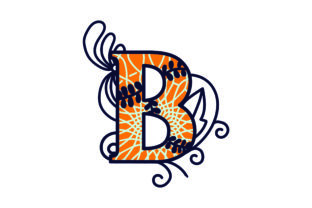
3D Layered Alphabet - B: A Practical Guide to Integration and Workflow
In the landscape of digital asset management and creative production, precision is often the difference between a project that meets expectations and one that exceeds them. The 3D Layered Alphabet - B represents a specific intersection of typographic design and technical utility. It is not merely a decorative font or a static image; it is a versatile structural component designed for professionals who require depth, dimension, and flexibility in their visual communication. Whether you are an entrepreneur crafting a brand identity, an educator designing engaging materials, or a marketer producing high-conversion assets, understanding how to leverage this specific asset can streamline your workflow significantly.
The core value of the 3D Layered Alphabet - B lies in its modularity. Unlike standard vector fonts that render as single, solid objects, this design offers a layered architecture. This means the character 'B' is constructed from distinct elements that can be manipulated independently. For the modern creator, this translates to control over shadows, highlights, extrusions, and base layers without the need for complex manual tracing or heavy software rendering times. It fits seamlessly into processes where speed and quality must coexist.
Understanding the Asset Structure
To utilize the 3D Layered Alphabet - B effectively, one must first understand its composition. The design is provided in four critical formats: SVG, Transparent PNG, EPS, and DXF. Each format serves a distinct purpose within a broader production pipeline, and selecting the right file type at the right time is a crucial decision point in any project.
- SVG File: Scalable Vector Graphics are the backbone of responsive web design and scalable print media. Using the SVG version of the 3D Layered Alphabet - B allows for infinite scaling without pixelation. In a workflow involving web development or digital marketing, this ensures that the letter 'B' remains crisp on everything from a mobile screen to a large-format billboard.
- Transparent PNG: For quick mockups, social media content creation, or overlaying text onto complex photographic backgrounds, the transparent PNG is indispensable. It eliminates the need for background removal tools, saving valuable editing time. The transparency ensures that the 3D effect integrates naturally with existing imagery.
- EPS: Encapsulated PostScript files are the industry standard for professional printing and large-scale signage. When preparing assets for physical production, such as vinyl cutting, laser engraving, or offset printing, the EPS format preserves the vector data required by commercial printers. It ensures that the layered depth of the alphabet is interpreted correctly by plotters and RIP software.
- DXF: Drawing Exchange Format is essential for those working in CAD environments or with CNC machinery. If your project involves physical fabrication—such as creating wooden signs, metal cutouts, or architectural models—the DXF file provides the precise coordinate data needed for automated manufacturing.
Strategic Integration Across Workflows
The true power of the 3D Layered Alphabet - B emerges when it is integrated into various stages of a project lifecycle. It is not limited to a single phase but acts as a flexible tool that adapts to planning, execution, and delivery phases.
Pre-Production Planning and Prototyping
During the conceptualization phase, clarity is key. Designers and product managers often use 3D typography to visualize brand concepts before committing to full production. By importing the SVG or EPS versions of the 3D Layered Alphabet - B into prototyping software, teams can create rapid mockups. This allows stakeholders to see the depth and texture of the proposed design early on. It reduces the risk of costly revisions later in the process because the visual language is established and agreed upon immediately.
For educators and bloggers, this stage is about engagement strategy. Before writing a tutorial or launching a course, using the layered 'B' in slide decks or thumbnail designs helps establish a consistent visual tone. It signals to the audience that the content is structured and detailed, setting a professional expectation from the first glance.
Execution and Production
Once the concept is approved, the workflow shifts to execution. Here, the layered nature of the alphabet becomes a productivity multiplier. Because the design is broken down into layers, users can apply different materials, colors, or textures to individual parts of the letter 'B' without affecting the rest of the design.
In a manufacturing context, if you are producing custom signage, the DXF file allows for direct input into cutting machines. You can separate the layers to create multi-material effects, such as combining wood and acrylic for a premium finish. This level of detail, achieved through a single file download, eliminates the need to manually reconstruct the geometry in CAD software, reducing setup time by hours.
For digital marketers, the transparency of the PNG version allows for rapid iteration. You can quickly test the 3D letter against different color palettes or background images to determine which combination yields the highest click-through rate. The ability to swap out the background of the layer instantly facilitates A/B testing without re-rendering the entire graphic.
Post-Project Archiving and Scaling
A common pitfall in creative projects is losing access to high-quality source files after a campaign ends. Keeping the original 3D Layered Alphabet - B files ensures long-term usability. Because the assets are vector-based (SVG and EPS), they remain usable years later for new campaigns, merchandise, or brand refreshes. There is no degradation in quality, ensuring that your brand consistency remains intact regardless of how much time has passed since the initial project launch.
Technical Considerations for Implementation
Successfully integrating the 3D Layered Alphabet - B requires attention to compatibility and organization. While the files are robust, they do not operate in a vacuum. They interact with the software stack you already use, and understanding these interactions prevents technical bottlenecks.
Software Compatibility: Ensure your design environment supports the specific formats provided. Adobe Illustrator and InDesign handle EPS and SVG natively, making them ideal for print and layout workflows. For web developers, the SVG code can be inspected and modified directly within the browser's developer tools or embedded via CSS. If you are working with open-source tools like Inkscape or GIMP, the SVG and PNG formats offer excellent support, though some advanced layer properties may require adjustment.
Layer Organization: One of the most critical steps in preparation is organizing the layers within your software. Upon opening the file, take a moment to review the layer hierarchy. Renaming layers to reflect their function (e.g., "Base," "Shadow," "Highlight") can save significant time during manipulation. This organizational habit is particularly important when collaborating with other team members, as clear labeling ensures everyone understands how to edit the asset without breaking the 3D effect.
Quality Control: Before finalizing any output, always verify the resolution and edge quality. Even with vector files, artifacts can occur during export or conversion. Check the corners of the 'B' to ensure the 3D extrusion lines are clean and that there are no stray points or overlapping paths that could cause issues in cutting machines or web rendering. This simple step upholds the integrity of the professional look you aim to achieve.
Maximizing Value Through Adaptability
The versatility of the 3D Layered Alphabet - B extends beyond its immediate visual appeal. It serves as a foundational element for branding systems, educational aids, and marketing collateral. Its layered structure invites experimentation. Users can alter the lighting direction by adjusting the shadow layers, change the material appearance by recoloring the faces, or even combine multiple letters to create unique logos.
For small business owners, this adaptability means cost efficiency. Instead of commissioning a custom 3D logo for every new product line, you can utilize the same alphabet asset, modifying only the color scheme or layer combinations to fit the specific product. This approach maintains brand recognition while allowing for necessary differentiation across a portfolio of offerings.
Similarly, freelancers and content creators can use this asset to enhance their personal brand. Consistent use of a distinctive 3D element across website headers, video intros, and presentation slides creates a cohesive professional identity. It demonstrates a commitment to quality and attention to detail, traits that clients and employers value highly.
Conclusion on Workflow Efficiency
Incorporating the 3D Layered Alphabet - B into your daily operations is more than a design choice; it is a strategic decision to improve efficiency and output quality. By providing access to multiple file formats tailored for different stages of production, it removes friction from the creative process. Whether you are preparing a file for a laser cutter, optimizing a webpage for mobile users, or creating a high-resolution poster, this asset delivers the necessary precision and flexibility.
The key to success lies in treating the asset as a dynamic tool rather than a static image. Understand the strengths of each format, organize your workspace to accommodate the layered structure, and apply the principles of quality control throughout your workflow. When done correctly, the 3D Layered Alphabet - B becomes an integral part of your toolkit, supporting your goals and enhancing the impact of your work.