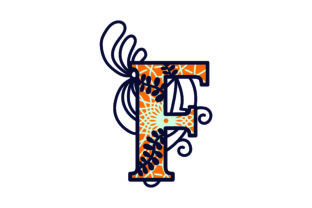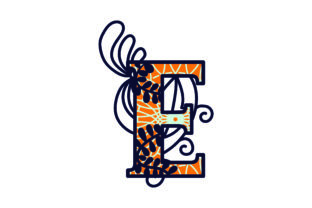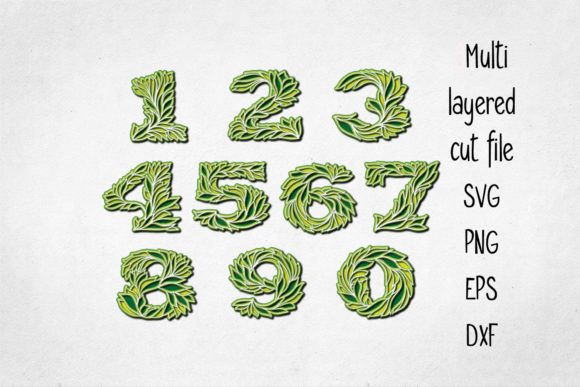
3D Layered Numbers 0-9
In the landscape of creative production and brand differentiation, 3D Layered Numbers 0-9 represent more than simple decorative elements; they are strategic tools for visual communication. For entrepreneurs, educators, and designers seeking to elevate their output, understanding the mechanics and application of these layered assets is essential. The concept relies on depth perception created by stacking multiple cut layers with varying spacing. This technique transforms flat typography into tangible objects that command attention, offering a sophisticated aesthetic that standard 2D graphics cannot replicate.
The utility of 3D Layered Numbers 0-9 extends far beyond mere decoration. When applied correctly, they serve as focal points in home decor, anchors for wall installations, or distinctive gifts that convey thoughtfulness. However, the true value lies in the flexibility of the design. Whether you are a small business owner creating custom signage or a hobbyist crafting personalized gifts, the ability to manipulate layers allows for infinite customization. You can reduce the number of layers to achieve a subtle texture or expand them to create dramatic shadows and volume. This adaptability ensures that the asset remains relevant across various projects, from minimalist office branding to vibrant children's room accents.
Material Selection and Dimensional Strategy
The decision to use 3D Layered Numbers 0-9 often hinges on the materials chosen for fabrication. The digital design provides the blueprint, but the physical execution determines the final impact. To achieve a crisp, flat look suitable for paper crafts or vinyl decals, one might utilize card stock or high-quality adhesive vinyl. In this scenario, the layers are stacked directly against each other, relying on color contrast rather than physical depth to create interest.
Conversely, if the goal is to produce a robust, standalone object, thicker substrates such as wood, plastic, plywood, or MDF are superior choices. These materials possess inherent thickness that naturally generates a 3D effect even without significant spacing between layers. For professional applications where durability is paramount, selecting a material like 1/4 inch or 1/2 inch MDF ensures the numbers stand up to handling and environmental stress. The key is to align the material choice with the intended outcome: a delicate gift requires lighter materials, while permanent wall decor demands structural integrity.
When working with thick materials, consider the "stand-off" distance. By leaving space between the layers using spacers or foam tape, you enhance the shadow play, making the numbers appear to float. This technique adds a layer of complexity that elevates the perceived value of the project. It signals to the viewer that care and precision were invested in the creation process, which is a critical factor in customer experience and brand perception.
Scalability and Design Constraints
One of the most significant advantages of the 3D Layered Numbers 0-9 collection is its scalability. Each letter is designed to be over 8 inches (20 cm) tall, providing ample room for intricate detailing. This size threshold is crucial because it allows the individual layers to remain distinct and visible. However, this creates a specific constraint: reducing the design too much can compromise the structural integrity of thin elements.
Before committing to a smaller format, such as a keychain or a miniature ornament, you must analyze the geometry of the specific number. Thin serifs or narrow gaps may disappear entirely when scaled down below a certain point, resulting in a muddled appearance or mechanical failure during cutting. Strategic planning involves determining the minimum viable size for your specific machine and material combination. If the project requires a smaller scale, it is often better to simplify the layer count or choose a font style with bolder strokes to maintain clarity.
This consideration applies equally to large-scale installations. While increasing the size generally enhances visibility, it also increases the weight and potential for warping in materials like wood. Proper support structures must be considered to ensure that the 3D Layered Numbers 0-9 remain stable over time. Ignoring these physical constraints can lead to costly mistakes and wasted materials, undermining the efficiency of the production workflow.
File Format Compatibility and Workflow Integration
Efficiency in production relies heavily on the compatibility of file formats with your equipment. The package includes a comprehensive ZIP folder containing 10 SVG, 10 PNG, 10 EPS, and 10 DXF files for each digit. Understanding the specific strengths of each format is vital for optimizing your workflow.
- SVG (Scalable Vector Graphics): Ideal for digital displays and direct import into modern cutting machines like Cricut or Silhouette. SVGs preserve the vector data, allowing for lossless scaling and precise editing of individual layers within design software.
- EPS (Encapsulated PostScript): The industry standard for professional printing and vector-based workflows. If you are sending designs to a commercial printer or using Adobe Illustrator for complex manipulation, EPS ensures high fidelity.
- DXF (Drawing Exchange Format): Essential for CNC routers and laser cutters used in industrial or workshop settings. DXF files translate directly into machine code, streamlining the transition from design to fabrication.
- PNG (Portable Network Graphics): Best for raster-based editing, watermarks, or previewing the design before cutting. While not suitable for direct machine cutting due to pixelation, PNGs provide a quick visual reference.
Selecting the correct file format based on your machinery prevents errors and reduces setup time. A mismatch between the file type and the machine capabilities can result in failed cuts or distorted dimensions, halting production. Therefore, verifying compatibility before starting a project is a non-negotiable step in maintaining operational excellence.
Strategic Applications in Branding and Communication
Integrating 3D Layered Numbers 0-9 into your projects should always be driven by a clear objective. In a branding context, these numbers can communicate age, pricing, or significance. For example, a bakery might use a large, layered "50" to celebrate a 50th anniversary, using the depth of the layers to symbolize years of tradition. The tactile nature of the 3D effect draws the eye and invites interaction, fostering a deeper connection with the audience.
In educational settings, these numbers serve as powerful visual aids. Teachers can use them to illustrate concepts of mathematics, history, or milestones. The ability to customize colors and layer counts allows educators to tailor the visuals to specific learning styles, whether through high-contrast flat designs for young children or textured wooden numbers for older students engaging in hands-on learning.
For marketers and content creators, the visual appeal of 3D numbers translates well into social media content. High-resolution images of layered numbers against clean backgrounds generate engagement, showcasing creativity and craftsmanship. When used in promotional materials, they signal quality and attention to detail, traits that consumers associate with premium brands.
Risks and Mitigation Strategies
Despite their versatility, there are risks associated with using 3D Layered Numbers 0-9 without a defined strategy. The primary risk is "design drift," where the focus shifts from the message to the medium. Overusing the 3D effect can clutter a design, distracting from the core information. If every element is loud and dimensional, nothing stands out. Strategic restraint is required to ensure that the numbers support the narrative rather than dominating it.
Another risk involves the misalignment of layers during assembly. Without careful planning and consistent spacers, the numbers may appear uneven or unstable. This is particularly problematic in commercial products where consistency is expected. To mitigate this, create a jig or template for spacing before mass production. Additionally, failing to account for the finish of the material can lead to unexpected results; for instance, glossy paint on wood might reflect light differently than matte vinyl, altering the perceived depth.
Finally, relying solely on the aesthetic without considering the functional purpose can lead to impractical outcomes. A number meant for outdoor use made of untreated paper will degrade quickly. Always match the material properties to the environment where the final product will reside. By anticipating these challenges and planning accordingly, you ensure that the 3D Layered Numbers 0-9 deliver long-term value and satisfaction.
Conclusion on Intentional Application
The 3D Layered Numbers 0-9 are a versatile resource that, when approached with intention, can significantly enhance creative projects. From home decor to professional branding, their ability to add depth and dimension makes them invaluable. Success depends on thoughtful material selection, adherence to design constraints, and proper file management. By treating these numbers as strategic components rather than generic decorations, creators can achieve superior results that resonate with their audiences and meet their specific goals.