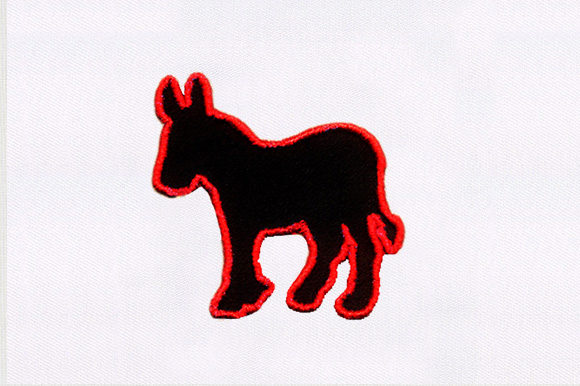
Donkey 3D Puff: Elevating Embroidery Design with Premium Texture
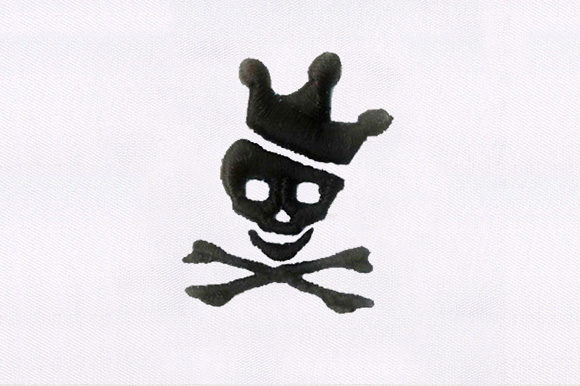
In the evolving landscape of textile and graphic design, few techniques capture attention quite like the Donkey 3d Puff, a specialized embroidery style that transforms flat logos into tactile, dimensional masterpieces. This unique approach to machine embroidery adds depth and luxury to any project, bridging the gap between traditional stitching and modern visual impact.
For designers seeking to elevate brand identity or create standout merchandise, understanding the nuances of this design type is essential. It represents more than just a stitch pattern; it is a strategic choice in visual communication that enhances perceived value and engages audiences on a sensory level.
The Strategic Value of 3D Puff Embroidery
From a professional graphic design perspective, the Donkey 3d Puff technique serves as a powerful tool for strengthening brand presence. Unlike standard flat embroidery, this method utilizes foam backing to raise the stitched elements above the fabric surface. The resulting texture creates natural shadows and highlights, adding a premium feel that resonates with consumers looking for quality and durability.
This visual hierarchy is critical in marketing materials and packaging design where physical interaction matters. When a logo pops off a cap or a jacket, it commands attention differently than a flat print. It suggests craftsmanship and longevity, traits that are highly desirable in today's competitive market. Whether you are designing for sports teams, corporate uniforms, or streetwear brands, incorporating this dimension can significantly improve user engagement and brand recall.
Practical Applications Across Industries
The versatility of high-quality embroidery files extends far beyond simple apparel decoration. Modern creators leverage these assets to enhance various facets of their creative workflow:
- Branding and Logo Design: Transforming a flat vector logo into a textured emblem adds instant prestige to business cards, hats, and bags.
- Social Media Content: High-resolution images of 3D puff textures provide authentic, behind-the-scenes content that showcases product quality.
- Packaging Design: Adding embroidered tags or labels to clothing packages elevates the unboxing experience, reinforcing a luxury aesthetic.
- Merchandise and Uniforms: Creating durable, long-lasting designs for team jerseys or corporate wear ensures the brand remains visible over time.
- Digital Products: Designers use mockups featuring 3D puff effects to visualize how digital concepts translate into physical reality.
Navigating File Formats for Seamless Production
One of the most critical aspects of executing a successful Donkey 3d Puff design is ensuring compatibility with your embroidery machine. The digital file format acts as the blueprint for the physical result, dictating stitch density, underlay, and lift movements. Without the correct file structure, even the best design concept can fail during production.
To accommodate the diverse ecosystem of embroidery machines used by professionals worldwide, our design library supports an extensive range of formats. This ensures that whether you are working with a commercial industrial unit or a home hobbyist machine, your design translates perfectly. We provide files in 10O, ART, CND, DSB, DST, DSZ, EXP, HUS, JEF, PCS, PEC, PES, TAP, VIP, VP3, and XXX.
Having access to such a comprehensive list of extensions eliminates the need for constant conversion, reducing errors and saving valuable time in your design workflow. Each format is optimized to preserve the intricate details required for the 3D puff effect, ensuring the foam sits correctly and the stitches remain crisp.
Best Practices for Implementation
When integrating these designs into your projects, consider the following factors to maintain consistency and readability:
- Scalability: Ensure the design is large enough to support the foam backing. Too small, and the texture may get lost; too large, and it may become unwieldy.
- Color Palette: Choose thread colors that contrast well with the background fabric to maximize the shadow effect created by the raised stitches.
- Material Selection: Thick fabrics like denim or heavy cotton work best for 3D puff, providing the necessary stability for the foam layer.
- Visual Balance: Pair the bold texture of the puff design with clean, modern typography in other parts of your layout to avoid visual clutter.
By paying attention to these details, you ensure that the final output meets professional presentation standards. The goal is to create a cohesive look where the texture enhances the message rather than distracting from it.