Future 3d Futuristic Isometric: A Visual Language for Modern Business and Creativity
When you look at a standard flat icon or a generic photograph, they often fail to capture the complexity of modern life. They lack depth, they feel static, and they rarely tell a story about how things connect. This is where Future 3d Futuristic Isometric steps in as a powerful visual tool. It isn't just a style choice; it is a method of representing complex systems, smart technologies, and urban environments in a way that feels both accessible and advanced.
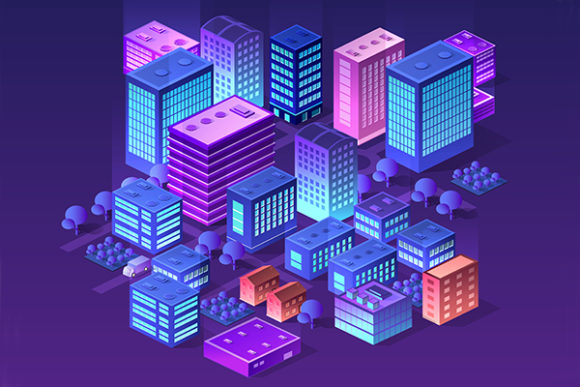
This specific aesthetic combines precise geometric angles with a sense of forward-thinking design. By using an isometric projection—a method of visually representing three-dimensional objects in two dimensions where all three axes appear equally foreshortened—creators can build entire worlds without the distortion of perspective. When paired with futuristic elements like glowing digital lines, sleek architecture, and smart city concepts, the result is a visual language that speaks directly to innovation.
Why This Style Dominates Digital Presentations
The primary reason Future 3d Futuristic Isometric has become so prevalent is its ability to simplify the complicated. Imagine trying to explain a blockchain network, a cloud computing infrastructure, or a fully automated logistics system using only text. It becomes dry and difficult to grasp. However, when you visualize these concepts as a layered cityscape where data flows like traffic through streets, the concept clicks immediately.
For entrepreneurs and marketers, this visual approach bridges the gap between abstract ideas and tangible outcomes. It transforms a "digital modern concept" into something you can almost touch. The clean lines and structured layout of an isometric view allow viewers to scan information quickly while still feeling immersed in a high-tech environment. It creates a sense of order and precision that is essential for building trust in new technologies.
Real-World Applications Across Industries
You might be wondering where exactly this visual style fits into your daily workflow. The applications are far broader than just making a website look cool. Here is how different professionals are leveraging Future 3d Futuristic Isometric designs in practical scenarios.
- Tech Startups and SaaS Platforms: Software companies often struggle to show what their product actually does. Instead of listing features, a startup can use an isometric illustration of a "smart business technology" hub. You see servers represented as towering buildings, data streams as glowing roads, and security protocols as protective shields. This helps potential investors understand the ecosystem instantly.
- Urban Planning and Real Estate: Developers selling future properties need to sell a lifestyle, not just square footage. Using a street design building on an urban house of a cityscape approach allows them to showcase green energy integration, smart home interfaces, and community connectivity before a single brick is laid. It gives buyers a realistic preview of the future living experience.
- Educational Content and Infographics: Teachers and course creators face the challenge of keeping students engaged. Complex subjects like AI ethics, renewable energy grids, or global supply chains become much more digestible when broken down into isometric layers. Students can visually trace the path of a decision or the flow of energy, making learning active rather than passive.
- Gaming and Virtual Worlds: For indie developers and hobbyists, this style offers a distinct aesthetic that stands out from photorealistic graphics. It provides a charming yet sophisticated look for strategy games or simulation apps where players manage resources, build cities, or control digital economies.
Designing the Smart City Experience
One of the most compelling aspects of this trend is its focus on the cityscape. We live in an era where our cities are becoming smarter, and our visuals need to reflect that evolution. A Future 3d futuristic isometric city doesn't just show skyscrapers; it shows the invisible networks that make them function.
Consider a scenario where a marketing agency is launching a campaign for a new IoT (Internet of Things) device. They don't just show the device itself. They create a scene where the device is part of a larger, interconnected neighborhood. Lights adjust automatically, traffic flows smoothly, and energy is shared efficiently. This narrative-driven design helps consumers visualize the benefits of the technology in their own lives, moving beyond the "what" to the "how."
The aesthetic relies heavily on the interplay of light and shadow. In a futuristic context, this often means neon accents against dark backgrounds or soft pastels against white structures. These choices evoke feelings of cleanliness, efficiency, and optimism. It suggests a world where technology solves problems rather than creating chaos.
Practical Considerations Before You Create
While the visual impact is undeniable, integrating Future 3d Futuristic Isometric assets requires some planning. Whether you are downloading pre-made packs, hiring a designer, or learning the software yourself, there are factors to consider to ensure the final result serves your goals effectively.
- Scalability and Resolution: Isometric art often involves intricate details. If you plan to use these images for large-format printing or responsive web design, ensure the source files are vector-based or high-resolution raster images. Pixelation can ruin the illusion of precision and make a professional brand look amateurish.
- Consistency in Perspective: One of the biggest mistakes in this style is mixing perspectives. If one building looks like it is viewed from above and another from the side, the entire composition falls apart. Always stick to a strict 30-degree angle for the vertical axis and consistent vanishing points to maintain the integrity of the urban house of a cityscape.
- Color Psychology: Don't just pick colors because they look "futuristic." Blue conveys trust and technology, while orange or yellow can suggest energy and innovation. Ensure your color palette aligns with your brand identity and the emotional response you want to trigger in your audience.
- Load Times and Performance: High-quality 3D renders can be heavy. If you are embedding these into a blog post or a landing page, optimize the file sizes. A slow-loading site will frustrate users, regardless of how beautiful the imagery is. Use modern formats like WebP and lazy loading techniques to keep performance high.
Making the Choice Between Custom and Stock
Many freelancers and small business owners face a budget dilemma: should they buy a stock asset pack or commission a custom piece? Future 3d Futuristic Isometric assets are widely available, which is great for speed. However, stock images often come with limitations. You might find a perfect cityscape but struggle to add your specific logo or unique product without breaking the composition.
If you have a unique value proposition, a custom approach is usually better. A designer can tailor the digital modern concept background to highlight exactly what makes your solution special. For example, if your business focuses on privacy, the design can emphasize secure vaults and encrypted pathways within the city structure. If you focus on speed, the design can feature streamlined vehicles and rapid data transmission lines.
For hobbyists and educators who need quick solutions, high-quality stock libraries are a fantastic resource. Look for packs that offer modular components. This allows you to mix and match buildings, roads, and tech elements to create a scene that fits your specific needs without starting from scratch every time.
The Future of Visual Storytelling
As we move further into a digital-first economy, the demand for clear, engaging, and informative visuals will only grow. Future 3d Futuristic Isometric represents more than just a passing trend; it is a fundamental shift in how we communicate complex systems. It turns the abstract into the concrete and the boring into the exciting.
Whether you are a blogger trying to explain the latest AI breakthrough, a marketer pitching a new smart home app, or an educator teaching the next generation about sustainable cities, this visual style offers a versatile toolkit. It allows you to stand out in a crowded feed, capture attention in seconds, and convey a message that resonates on a deeper level.
By understanding the principles behind the style and applying them thoughtfully to real-world scenarios, you can transform ordinary presentations into immersive experiences. The key is to remember that the technology is secondary to the story you are telling. The Future 3d Futuristic Isometric aesthetic is simply the vehicle that gets your audience to the destination faster and with more enthusiasm.