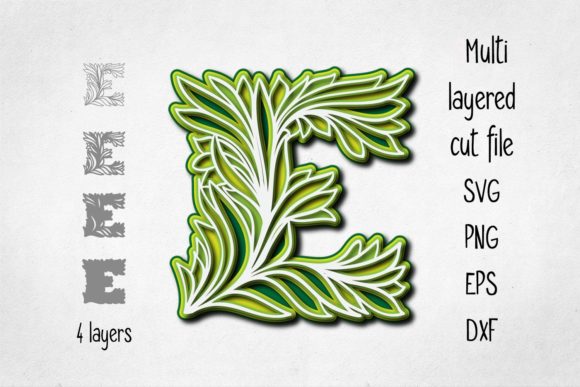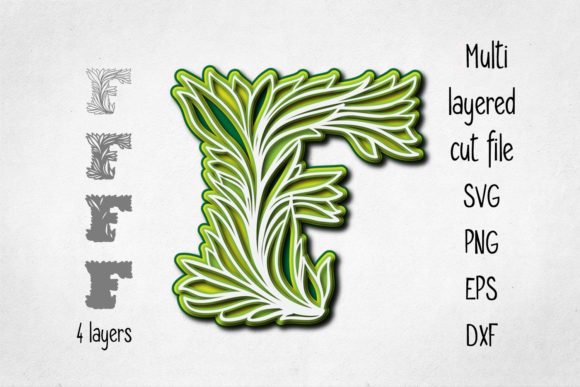
3D Layered Alphabet Letter F: A Versatile Design for Creative Projects
The 3D Layered Alphabet Letter F represents a specific category of digital design assets that bridge the gap between flat vector graphics and physical three-dimensional objects. Unlike standard monoline fonts or simple silhouette cut files, this design utilizes multiple distinct layers to create depth. This structure allows users to transform a two-dimensional concept into a tangible object with visual volume. Whether intended for home decor, wall art, or personalized gifts, the layered nature of this file provides significant flexibility in execution.
Understanding the Structure and Composition
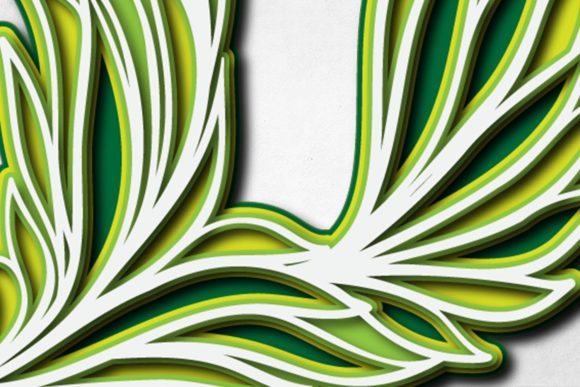
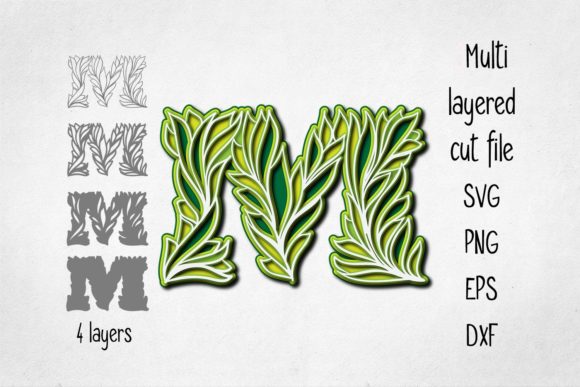
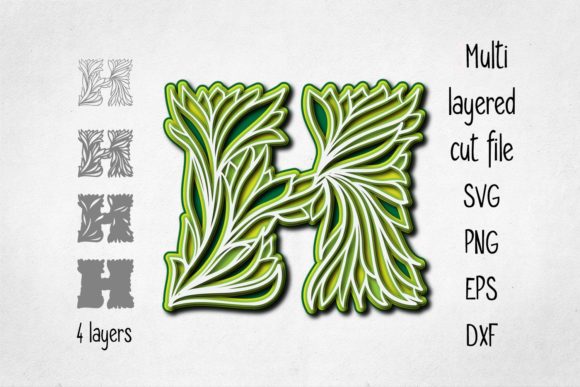
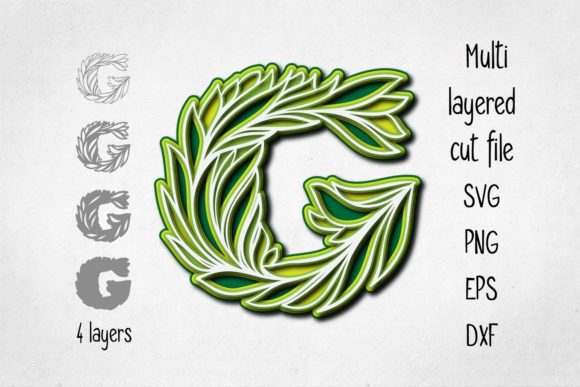
At its core, the 3D Alphabet Layered letter F is composed of several individual shapes stacked upon one another. In the digital realm, these are separate paths within a single file. When transferred to a cutting machine or laser cutter, these layers can be assembled in various ways. The fundamental mechanism relies on spacing; by leaving gaps between the layers during assembly, the user creates a true 3D effect where shadows and depth become visible from different angles. Conversely, pressing the layers tightly together results in a flat, multi-colored appearance.
This modular approach is what distinguishes the product from standard lettering. It does not rely on a single thick stroke to convey dimension but rather on the cumulative effect of multiple thin elements. The design typically includes over 8 inches (20 cm) of height in its original configuration. This scale ensures that the individual layers remain distinct and manageable during the crafting process, though the design is scalable down to smaller sizes with specific caveats regarding structural integrity.
Material Versatility and Execution Methods
One of the primary advantages of this design format is its compatibility with a wide range of materials. The choice of material significantly influences the final aesthetic and durability of the project.
- Paper and Card Stock: These are accessible options ideal for beginners or temporary displays. Using card stock allows for vibrant color combinations. To achieve a flat look, all layers can be adhered directly. For a subtle 3D effect, small spacers like foam tape can be used between layers.
- Vinyl: Vinyl offers a smooth, modern finish suitable for walls or windows. Layered vinyl designs often require precise alignment tools to ensure the "F" remains symmetrical when built up.
- Wood and Plywood: For a more permanent installation, wood is an excellent choice. Materials such as MDF (Medium Density Fiberboard) or plywood provide sufficient thickness to create a robust 3D effect even without additional spacers. The natural grain of wood adds texture that complements the geometric precision of the letter.
- Plastic and Acrylic: These materials offer a contemporary, sleek look. They are durable and easy to clean, making them suitable for high-traffic areas or outdoor applications if the correct grade of plastic is selected.
The ability to customize the number of layers is a critical feature. Users are not restricted to using every layer provided in the file. If a simpler, flatter aesthetic is desired, fewer layers can be utilized. Furthermore, the color palette is entirely at the discretion of the creator. There is no requirement for a monochromatic scheme; contrasting colors between layers can enhance the perception of depth, while analogous colors can create a softer, more cohesive look.
Technical Specifications and File Compatibility
When purchasing or downloading this asset, buyers receive a ZIP folder containing four distinct file formats: SVG, PNG, EPS, and DXF. Each format serves a specific purpose depending on the equipment being used.
The SVG (Scalable Vector Graphics) format is generally preferred for electronic cutting machines like Cricut or Silhouette because it preserves the editable nature of the layers. EPS and DXF files are standard for professional vector software and laser cutting machinery, ensuring high precision for industrial-grade production. PNG files serve as raster images, which can be useful for printing or as a reference guide during the assembly process.
It is imperative that users verify their hardware compatibility before beginning a project. While the file formats are industry-standard, some older machines may struggle with complex layer counts or specific coordinate systems found in DXF files. Ensuring the machine can read the chosen format prevents wasted time and material.
Evaluating Scale and Design Limitations
While the 3D Layered Alphabet Letter F is highly adaptable, size reduction presents a notable tradeoff. The original design is optimized for dimensions over 8 inches (20 cm). This size accommodates the thin elements inherent in the layered structure. When scaling the design down for smaller projects, such as keychains or small tags, these thin sections may become too fragile to cut cleanly or too difficult to assemble.
If a project requires a very small scale, the user must evaluate whether the intricate details will hold up. In such cases, simplifying the design by removing inner layers or merging adjacent paths might be necessary to maintain structural integrity. Ignoring this consideration can lead to pieces breaking during the cutting process or failing to stand upright once assembled.
Decision Making: Is This Design Right for You?
Selecting the right design asset depends heavily on the intended application and the user's technical skill level. The 3D Layered Alphabet Letter F is a strong fit for individuals looking to create custom wall decor, nursery art, or personalized gifts. The ability to change colors and materials makes it suitable for matching any interior design theme. It is particularly effective for those who enjoy the tactile process of assembling crafts, as the layering process adds a sense of accomplishment and customization.
However, there are scenarios where alternatives might be more appropriate. If the goal is rapid mass production of identical items where speed is prioritized over unique assembly, a pre-made solid block letter might be more efficient than assembling a layered file. Similarly, if the user lacks access to a cutting machine or laser cutter and intends to hand-cut the design, the complexity of multiple layers could be prohibitive compared to a single-outline font.
Practical Considerations for Success
To ensure a successful outcome, users should consider the following practical insights:
- Alignment Tools: Precision is key. Using registration marks or a light box can help align the multiple layers perfectly before gluing.
- Adhesive Selection: The type of glue matters. For paper, liquid glue works well, but for wood or plastic, a strong bonding agent or mechanical fasteners may be required to support the weight of the layers.
- Space Planning: When aiming for a 3D effect, the distance between layers dictates the shadow intensity. Test a small sample with varying spacer heights to determine the desired visual impact.
In conclusion, the 3D Layered Alphabet Letter F offers a flexible solution for creative enthusiasts. It balances aesthetic appeal with functional utility, allowing for extensive customization through material and color choices. By understanding the requirements regarding file formats, material thickness, and scaling limitations, users can effectively utilize this design to produce high-quality decorative items tailored to their specific needs.