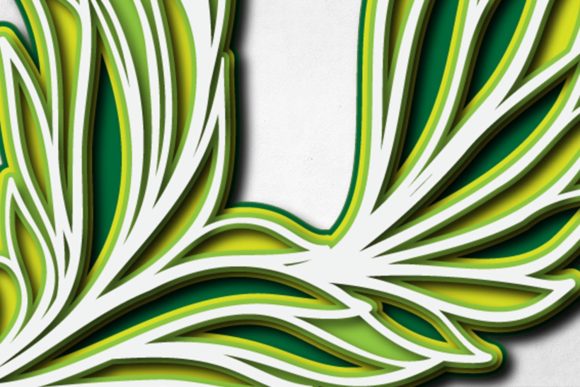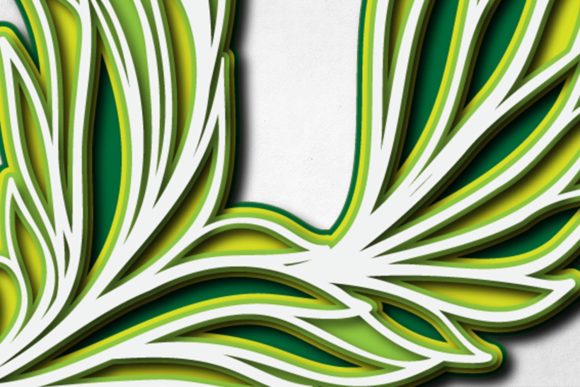
3D Layered Alphabet Letter J: A Versatile Asset for Custom Creations
The 3D Layered Alphabet Letter J represents a specific intersection of digital design and physical craftsmanship. It is not merely a graphic file but a structural blueprint designed to create depth through layering. In the current landscape of DIY projects, home improvement, and small business branding, this asset stands out because it offers a modular approach to typography. Unlike standard vector fonts that rely on flat color or stroke width to convey form, this design utilizes multiple distinct layers to simulate volume and shadow. This structural complexity allows the final product to adapt to various materials and aesthetic goals, making it a robust tool for creators who need more than just a two-dimensional image.
Understanding the Structural Mechanics
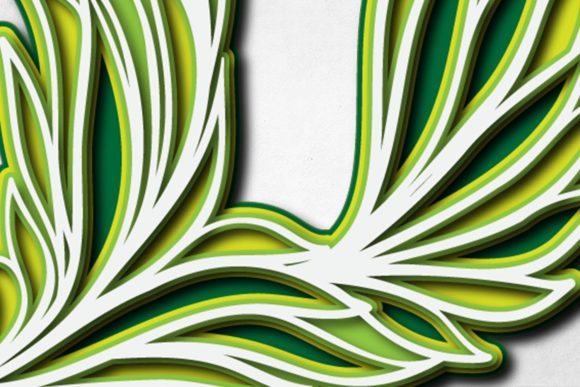
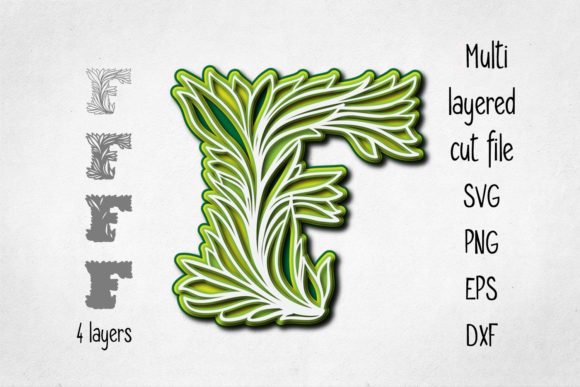
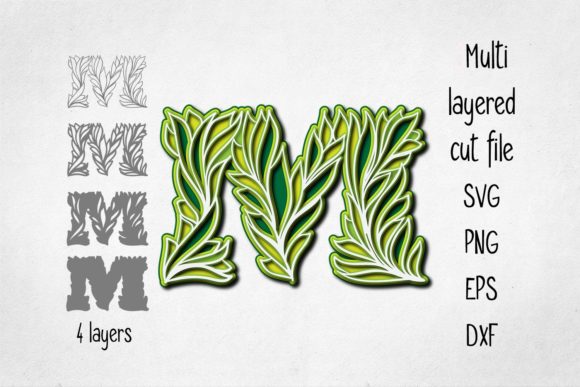
At its core, the 3D Layered Alphabet Letter J functions as a stack of identical outlines with slight offsets or varying shapes to create a stepped effect. The versatility lies in how these layers are interpreted during production. You have the option to use fewer layers to achieve a subtle, almost flat appearance suitable for wall decals, or you can utilize the full set to generate a pronounced three-dimensional object. The design accommodates different material choices, which fundamentally changes the visual outcome.
For those seeking a crisp, graphic look, card stock, vinyl, or paper are excellent choices. When these thin materials are cut and adhered directly against one another, the result is a high-contrast, layered silhouette that works well for decorative accents. However, the true potential of the letter emerges when you introduce thickness. By leaving physical space between the layers—using spacers or simply stacking thicker substrates—you unlock a genuine 3D effect. Materials such as wood, plastic, plywood, MDF, and similar composites are ideal for this application. Because these materials possess inherent thickness, they do not require additional spacing mechanisms to project a shadow; the material itself creates the dimensionality required for a substantial, tactile piece.
Technical Specifications and File Integrity
Practical utility depends heavily on the quality of the source files provided. Users receiving this asset will typically find a single ZIP folder containing four distinct formats: SVG, PNG, EPS, and DXF. Each format serves a specific purpose within the creative workflow, ensuring compatibility across different hardware and software ecosystems.
- SVG (Scalable Vector Graphics): This is the primary format for cutting machines like Cricut or Silhouette. It retains the mathematical paths of the layers, allowing for infinite resizing without loss of quality. This is essential for adjusting the design to fit specific frame sizes or wall spaces.
- EPS (Encapsulated PostScript): Preferred by professional designers using Adobe Illustrator or CorelDRAW. It preserves editability for advanced users who wish to manipulate individual layers before sending them to a plotter or laser cutter.
- DXF (Drawing Exchange Format): Critical for CNC routers and industrial laser engravers. If you plan to cut this from thick wood or acrylic using a machine shop setup, the DXF file ensures the coordinates align correctly with your machinery's software.
- PNG (Portable Network Graphics): Useful for quick visualization or printing on standard inkjet/laser printers if you intend to hand-cut the pieces or use them as stencils.
It is imperative to verify that your production equipment supports at least one of these formats. While modern software handles most vector files seamlessly, older or specialized industrial machines may require conversion. The inclusion of multiple formats suggests the designer has anticipated a wide range of user capabilities, from hobbyists with desktop cutters to professionals operating heavy-duty fabrication tools.
Scaling Considerations and Design Limitations
One of the most critical factors when evaluating this design is scalability. The specification indicates the letter is over 8 inches (20 cm) tall in its default state. This size is generally considered optimal for wall decor, signage, and gift items where visibility is key. However, the design contains fine details and thin connecting elements that dictate its lower limit.
While increasing the size is straightforward, reducing the dimensions requires caution. If you attempt to scale the 3D Layered Alphabet Letter J down significantly for small projects, such as jewelry tags, keychains, or miniature models, the thin elements of the letter may become structurally unsound. During the cutting process, especially with materials like wood or metal, very thin bridges can snap or burn due to the heat generated by the blade or laser. Therefore, while the digital file is scalable, the physical feasibility decreases as the size shrinks below a certain threshold. Professionals should test a scaled-down version on scrap material before committing to a final project to ensure the integrity of the cut lines.
Material Selection and Aesthetic Flexibility
The choice of material dictates the final presentation and durability of the project. For home decor, natural wood finishes often provide a warm, organic feel that complements rustic or Scandinavian interior styles. Plywood and MDF offer a smooth surface that accepts paint well, allowing for custom color combinations that match existing room palettes. The ability to mix and match colors between layers adds a dynamic visual interest; for instance, using a dark wood for the base layers and a lighter painted wood for the top layer can create a striking contrast.
Vinyl remains a popular choice for renters or those looking for temporary installations. A 3D layered vinyl letter can be mounted on a wall with adhesive foam tape, creating a floating effect without damaging the surface. Plastic and acrylic sheets offer a modern, glossy finish that reflects light, making the letter appear vibrant even in low-light conditions. The design's flexibility extends to the color palette as well. There is no restriction on using any color combination, meaning you can coordinate the letter with brand colors for a business logo or personal preferences for a nursery or bedroom.
Target Audience and Application Scenarios
This asset is particularly valuable for a diverse group of professionals and hobbyists. Small business owners can leverage the 3D Layered Alphabet Letter J to create custom signage for storefronts or packaging inserts that add a premium touch to their products. Entrepreneurs selling handmade goods can use this design to produce personalized gifts, capitalizing on the trend of custom monograms. Educators might find utility in creating large, durable classroom letters for alphabet displays that can withstand daily handling.
Freelancers and content creators focused on home decor or DIY niches can incorporate this into tutorial videos or blog posts, providing their audience with a tangible project idea. The modular nature of the design also appeals to marketers looking to create seasonal decorations. Since the letter is composed of separate layers, it can be easily disassembled for storage or reconfigured for different holidays by changing the spacer thickness or the color of the layers.
Long-Term Value and Practical Recommendations
The long-term value of the 3D Layered Alphabet Letter J lies in its reusability. Once the digital files are acquired, they can be used indefinitely for an unlimited number of physical projects. Whether you are producing a single gift for a friend or manufacturing a batch of twenty items for sale, the initial investment in the file pays off quickly. The ability to resize and recolor means the asset does not become obsolete as trends change.
To maximize effectiveness, users should prioritize precision in the cutting and assembly phases. When working with wood or thick materials, sanding the edges of each layer before assembly ensures a clean, seamless look. Using spacers made from cardboard or plastic washers helps maintain consistent depth between layers, which is crucial for the intended 3D effect. Additionally, securing the layers with strong adhesives or mechanical fasteners prevents the structure from warping over time, especially in environments with fluctuating humidity.
In summary, the 3D Layered Alphabet Letter J is a functional, adaptable resource that bridges the gap between digital design and physical reality. Its strength is not in novelty but in its practical application across various mediums and scales. By understanding the constraints regarding scaling and selecting the appropriate materials, creators can produce high-quality, professional-looking results that serve both decorative and commercial purposes effectively.