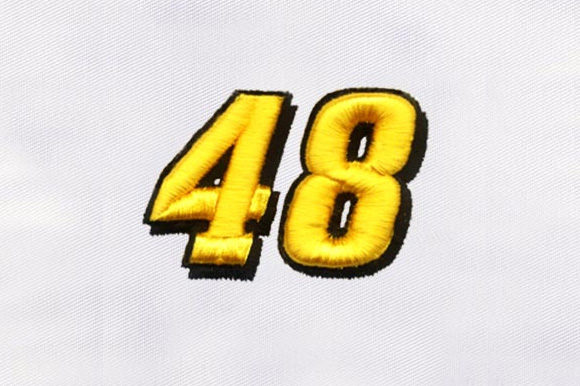
Number 48, 3d Puff Sports: A Comprehensive Evaluation for Embroidery Professionals
In the competitive landscape of custom apparel decoration, finding a design that balances visual impact with production efficiency is critical. Number 48, 3d Puff Sports represents a specific category within machine embroidery that has gained significant traction among sportswear manufacturers and customization shops. This design utilizes three-dimensional puff techniques applied to athletic motifs, creating a textured, raised aesthetic that mimics professional team jerseys. However, selecting the right digital asset involves more than just visual appeal; it requires a deep understanding of file compatibility, stitch density, and the specific mechanical capabilities of your embroidery hardware.
This evaluation explores the technical and practical aspects of utilizing this design type. It aims to assist decision-makers in determining whether this specific 3D puff sports motif aligns with their operational goals, equipment constraints, and quality standards.
Understanding the Design Specifications
Number 48, 3d Puff Sports refers to an embroidery digitized pattern designed to create a volumetric effect on fabric. Unlike standard flat embroidery, which lays thread directly onto the material, this design incorporates a foam underlay or specialized stitching technique that lifts the top layer of thread away from the substrate. The result is a tactile, high-relief finish often associated with collegiate lettering and professional sports logos.
The "Sports" designation implies that the underlying geometry typically features bold, block-style typography or dynamic graphic elements common in athletic branding. These designs are engineered to withstand the rigors of game-day wear while maintaining their structural integrity. The inclusion of the number 48 suggests a specific iteration or catalog entry, likely optimized for a particular hoop size or stitch count range.
File Format Compatibility and Technical Requirements
One of the most critical factors in evaluating Number 48, 3d Puff Sports is its availability across multiple embroidery file formats. Modern embroidery workflows rarely rely on a single proprietary format due to the diverse range of machines used in the industry. The design's utility is significantly enhanced by its support for a comprehensive suite of extensions:
- PES: The native format for Brother machines, widely used in small to medium businesses.
- DST: The industry standard for industrial Tajima machines, essential for large-scale production runs.
- JEF: Designed for Janome and Elna home and commercial units.
- HUS: Specific to Husqvarna Viking and Pfaff systems.
- VIP & VP3: Formats tailored for Melco and Bernina machinery respectively.
- EXP, TAP, PEC, PCS: Formats ensuring compatibility with older or niche industrial systems like Barudan and Pioneer.
- ART, CND, DSB, DSZ, XXX: Specialized or legacy formats that guarantee broad interoperability across various digitizing software platforms.
The presence of these 15 distinct formats indicates that the design is not restricted to a single ecosystem. This versatility reduces the need for expensive conversion software and minimizes the risk of file corruption during transfer. For a business managing a fleet of different machine brands, having access to Number 48, 3d Puff Sports in this variety of formats is a significant logistical advantage.
Benefits of the 3D Puff Technique
Adopting a 3D puff design offers several tangible benefits for apparel decorators. The primary advantage is the premium look and feel it imparts to the final product. Consumers often associate the raised texture with higher quality and authenticity, making it an excellent choice for merchandise where brand perception is paramount.
Additionally, the 3D effect provides superior visibility. On dark-colored garments, the light reflecting off the raised threads creates a striking contrast that flat embroidery cannot achieve. This makes Number 48, 3d Puff Sports particularly effective for promotional items, team uniforms, and limited-edition streetwear where standing out is a priority.
From a durability standpoint, when executed correctly with proper foam stabilization, 3D puff designs can be quite resilient. The thick layers of thread protect the underlying stitches from abrasion, ensuring the logo remains intact even after repeated washing and heavy use.
Tradeoffs and Operational Considerations
While the aesthetic rewards are clear, integrating 3D puff designs into a production workflow introduces specific challenges that must be weighed carefully. The most immediate tradeoff is the increased cost per unit. The process requires additional materials, specifically the foam backing, which adds to the direct cost of goods sold. Furthermore, the setup time is longer than standard flat embroidery because the operator must cut the foam, position it precisely, and ensure it does not shift during the initial tack-up stitches.
Machine capability is another critical consideration. Not all embroidery machines are equipped to handle the tension requirements of 3D puff work. Machines with lower torque motors may struggle to pull the needle through the dense foam and thick thread layers, leading to skipped stitches or thread breakage. Additionally, the hoop size required for Number 48, 3d Puff Sports might be larger than anticipated due to the expansion of the foam, potentially limiting placement options on certain garment styles.
There is also a learning curve associated with troubleshooting. If the foam bubbles or the stitching becomes uneven, correcting the issue often requires restarting the entire section rather than simply re-threading. This downtime can impact throughput, especially during high-volume rush orders.
Situational Fit: When to Choose This Design
Number 48, 3d Puff Sports is an ideal solution for specific market segments. It is strongly recommended for:
- Sportswear Manufacturers: Brands producing jerseys, caps, and warm-up gear where a professional, uniform look is non-negotiable.
- Premium Merchandise Lines: Companies selling high-margin items where customers expect a luxury tactile experience.
- Event Memorabilia: Tournaments and leagues looking to create standout awards or commemorative hats that feel substantial.
- Branded Headwear: Baseball caps and beanies benefit immensely from the volume of 3D puff, as the curvature of the hat enhances the raised effect.
If your target audience values tradition, durability, and a classic athletic aesthetic, this design type is a strong fit. The extensive list of supported file formats ensures that you can deploy this design regardless of whether you are using a home-based setup or a multi-head industrial system.
When Alternatives May Be Preferable
Conversely, there are scenarios where Number 48, 3d Puff Sports may not be the optimal choice. For businesses operating on tight margins or focusing on high-volume, low-cost promotional items (such as giveaway t-shirts), the added cost of foam and labor may erode profitability. In these cases, high-density flat embroidery or screen printing might offer a more cost-effective solution.
Furthermore, if the design needs to be placed on stretchy, delicate, or highly textured fabrics (like mesh or thin performance knits), 3D puff can cause distortion or puckering. The weight of the foam and the tension required to secure it may overwhelm the fabric structure. Similarly, if the design includes fine details or intricate gradients, the 3D effect may obscure the nuances of the artwork, making a flat application necessary to preserve clarity.
Decision-Making Insights
Selecting Number 48, 3d Puff Sports ultimately comes down to balancing visual impact against operational complexity. Before committing to a purchase or production run, evaluate your current inventory of foam stabilizers and verify that your machine's tension settings are calibrated for 3D work. Review the specific file formats available to ensure they match your digitizing software and embroidery machines without requiring conversion.
Consider running a test sample on the actual garment fabric intended for production. This step is crucial to assess how the foam interacts with the material and to determine if the desired lift is achieved without compromising the garment's drape. By objectively analyzing these factors, you can determine if the premium look of this design justifies the investment for your specific business model.
In conclusion, Number 48, 3d Puff Sports stands as a robust option for those seeking to elevate their embroidery offerings with a classic, dimensional style. Its widespread format compatibility and proven aesthetic value make it a versatile tool in the modern decorator's arsenal, provided that the operational costs and technical requirements are managed effectively.