Unlocking Creative Potential with the 3D Alphabet Layered Letter B
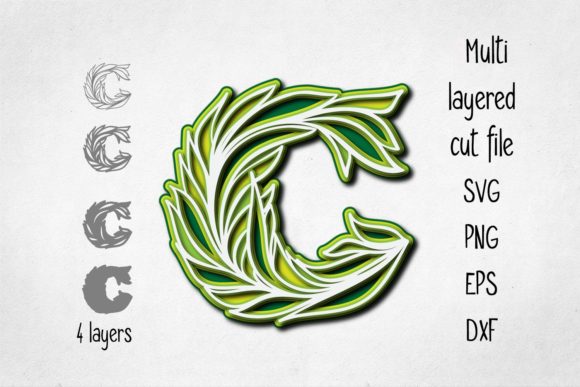
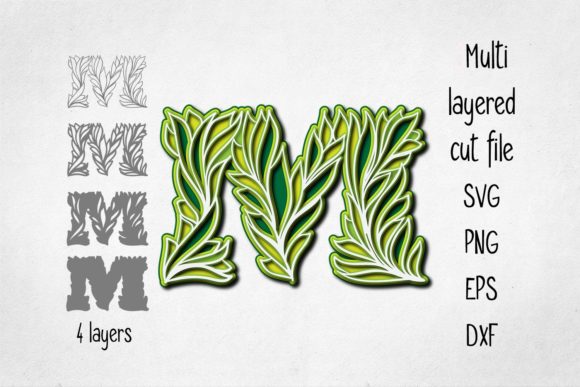
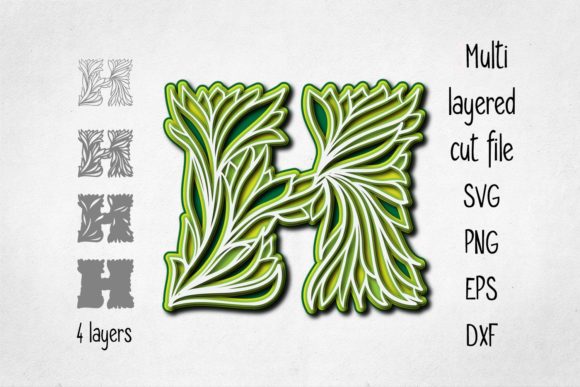
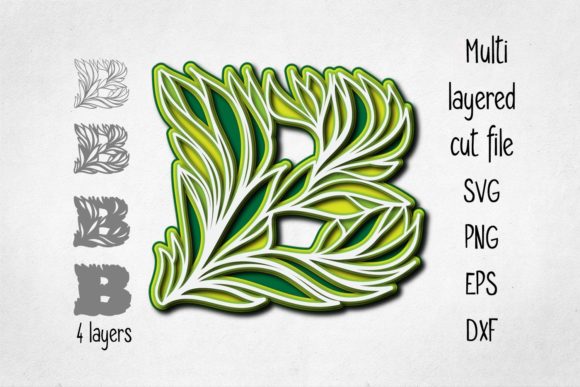
When approaching a project that requires a blend of structural integrity and aesthetic depth, the 3D Alphabet Layered Letter B stands out as a versatile design solution. Unlike standard flat signage or single-plane cutouts, this specific configuration utilizes multiple stacked layers to create physical dimension. The core concept relies on separating distinct segments of the letter "B" vertically, allowing light and shadow to interact with the object in ways that flat materials cannot achieve. This approach transforms a simple typographic element into a sculptural piece suitable for home decor, wall installations, or personalized gifts.
The distinct advantage of this layered format lies in its adaptability. Whether you are working with digital files for laser cutting or planning a manual assembly process, the underlying geometry remains consistent while the material execution varies widely. For those evaluating options for their next creative endeavor, understanding the mechanics of the 3D Alphabet Layered Letter B is essential before selecting a production method. It offers a middle ground between purely graphic designs and fully carved sculptures, providing a unique visual texture that appeals to modern interior design trends.
Evaluating Material Choices and Dimensional Effects
The visual impact of a layered letter is heavily dependent on the material selected and the spacing between layers. The design specifications indicate that the letter stands over 8 inches (20 cm) tall, which provides sufficient surface area to execute the layering technique effectively. However, the choice of substrate determines whether the result is a subtle relief or a bold, standalone sculpture.
For projects aiming for a flat, graphic appearance, materials such as card stock, vinyl, or standard paper are ideal. When these thin materials are used, the layers can be adhered closely together or even pressed flat against one another. In this scenario, the 3D Alphabet Layered Letter B serves primarily as a textural element rather than a volumetric one. This approach is cost-effective and accessible, making it perfect for event decorations, scrapbooking, or temporary wall art where heavy-duty durability is not required.
Conversely, achieving a true three-dimensional effect requires thicker substrates. Materials like wood, plastic, plywood, and MDF are frequently chosen for this purpose. These materials possess enough thickness to maintain separation between layers without additional spacers, creating a natural depth that casts dynamic shadows. When using wood or MDF, the individual layers can be spaced apart by millimeters or centimeters, turning the letter into a floating architectural feature. This method is particularly effective for home decor items intended to serve as focal points in a room, such as nursery walls, office branding, or living room accents.
Comparing Layered Approaches to Alternatives
When considering the 3D Alphabet Layered Letter B, it is helpful to compare it against other common methods of creating dimensional letters, such as solid block carving, hollow shell construction, or single-layer routing.
- Solid Block Carving: Traditional solid letters offer immense durability but require significant material waste and labor to carve away the negative space. They lack the intricate internal detailing that layered designs provide. The layered approach allows for complex internal structures within the "B" shape that would be difficult to achieve with a single block of wood.
- Hollow Shells: Hollow letters are lightweight and easy to mount, but they often feel insubstantial compared to layered constructions. A layered design feels more robust because it is composed of multiple distinct planes, giving it weight and presence on the wall.
- Single-Layer Routing: While routed letters can have depth through beveling, they do not offer the same level of customization regarding color combinations. With the 3D Alphabet Layered Letter B, each layer can be painted, stained, or finished independently. This allows for gradient effects, contrasting colors, or multi-tone finishes that are impossible with a single-piece routed sign.
The primary tradeoff with the layered approach is the complexity of assembly. Unlike a solid block that is ready after sanding and finishing, a layered design requires precise alignment during the stacking process. If the layers are not perfectly aligned, the symmetry of the letter is compromised. However, for DIY enthusiasts and professional makers alike, this added step is often viewed as a manageable challenge that yields a superior aesthetic result.
Technical Considerations and Design Limitations
Before purchasing or downloading the necessary files, it is crucial to understand the technical constraints associated with the 3D Alphabet Layered Letter B. The design is optimized for a height of approximately 8 inches (20 cm). While resizing is possible, there are significant limitations when reducing the scale of the project.
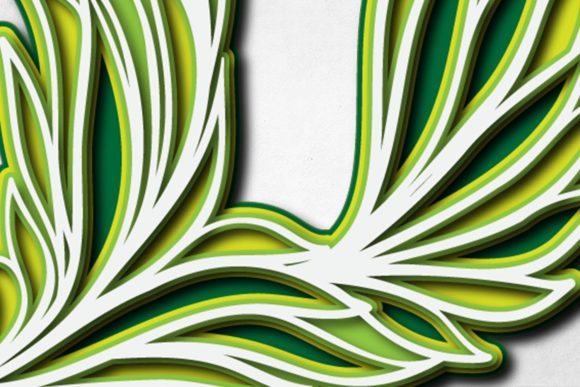
The design incorporates thin elements connecting the various curves of the letter "B". When scaling down the image significantly, these thin connections may become too fragile to cut or handle. If the resulting pieces are too small, they may break during the cutting process or fail to hold the structure together once assembled. Therefore, if your project requires a letter smaller than 6 inches, you might need to reconsider the design or opt for a simpler, single-plane version that does not rely on delicate internal bridges.
Furthermore, the file formats provided—SVG, PNG, EPS, and DXF—dictate the tools you will need. SVG and EPS files are vector-based and are best suited for cutting machines like Cricut, Silhouette, or professional laser cutters. DXF files are typically used for CAD software and industrial CNC routers. PNG files are raster images, useful for printing or as reference guides but not for direct machine cutting unless converted to vectors. Ensuring your equipment is compatible with at least one of these formats is a prerequisite for success. Without the correct software or hardware, the potential of the design cannot be realized.
Determining the Right Fit for Your Project
Deciding whether the 3D Alphabet Layered Letter B is the right choice depends largely on the intended application and the desired outcome. This design excels in scenarios where visual interest and customizability are prioritized over speed of production.
For home decor enthusiasts, this item offers a high degree of personalization. You can use less layers to simplify the build process if time is a constraint, or utilize all available layers to maximize depth. The ability to mix materials—for example, using a dark wood for the outer frame and a lighter wood for the inner loops—creates a sophisticated look that elevates standard wall art. This makes it an excellent candidate for gift-giving, where a unique, handmade item holds more sentimental value than a mass-produced product.
In contrast, if your goal is rapid prototyping or large-scale commercial production where consistency is paramount, the assembly time required for layered letters might be a drawback. Industrial manufacturing often favors uniform, single-piece solutions to minimize labor costs. However, for boutique creators, artists, and hobbyists, the 3D Alphabet Layered Letter B provides a balance of creativity and craftsmanship that justifies the extra effort.
When evaluating alternatives, consider the environment where the final piece will reside. High-traffic areas or outdoor settings may demand the durability of thick wood or plastic layers, whereas indoor decorative accents can safely utilize lighter materials like card stock or thin vinyl. The scalability of the design also means it can fit into various spaces, from small bookshelf displays to large entryway features, provided the structural integrity is maintained.
Maximizing Versatility Through Color and Composition
One of the most compelling aspects of this layered design is the freedom it offers regarding color theory. Because the layers are distinct, you are not limited to a single finish. You can paint each layer a different shade of the same color to create a monochromatic gradient, or choose contrasting hues to make the letter pop against the wall. This flexibility extends beyond paint; you can use vinyl wraps, fabric covers, or even metallic foils on specific sections.
For those interested in a minimalist aesthetic, leaving the layers uncolored but separated by distance creates a clean, architectural look. The shadows cast by the offset layers add a sense of movement and life to the static object. On the other hand, filling the gaps between layers with colored backing or using opaque materials can create a solid, vibrant block of color with a subtle edge definition.
Ultimately, the decision to use the 3D Alphabet Layered Letter B comes down to the desire for a project that combines technical precision with artistic expression. It is a resource that rewards patience and planning, offering a tangible reward that surpasses standard two-dimensional crafts. By carefully selecting materials, respecting the design's dimensional limits, and utilizing the appropriate file formats, users can create a stunning centerpiece that serves as both a functional decoration and a testament to their creative skills.