Unlocking Creative Potential with the 3D Alphabet Layered Letter C
The world of custom design and personalization has evolved significantly, moving beyond simple two-dimensional prints to immersive, tactile experiences. At the forefront of this shift is the 3D Alphabet Layered Letter C, a versatile digital asset that serves as a gateway to countless creative projects. Whether you are a professional graphic designer looking for high-quality assets, a hobbyist eager to start a new crafting journey, or an educator seeking engaging visual aids, this specific design offers a unique blend of aesthetic appeal and functional adaptability.
What makes this letter particularly compelling is its inherent structural complexity. Unlike a standard flat font, the layered approach introduces depth, shadow, and dimension, transforming a simple character into a focal point of any room or project. The concept relies on stacking multiple cutouts of the same shape at varying intervals, creating a parallax effect that changes depending on the viewing angle. This article explores the mechanics, applications, and material considerations of working with this design, providing a comprehensive guide for those ready to bring the 3D Alphabet Layered Letter C to life.
The Mechanics of Depth: How Layering Works
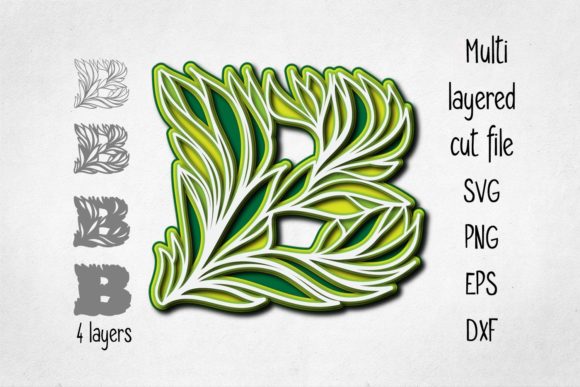
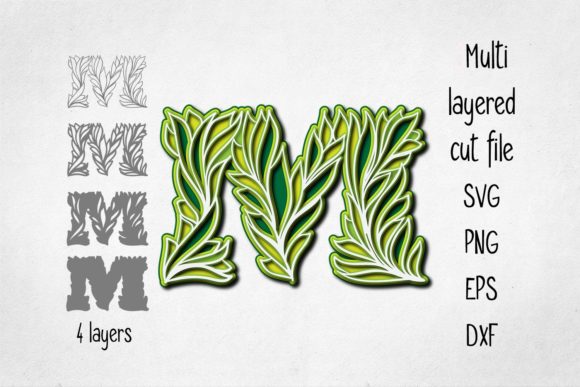
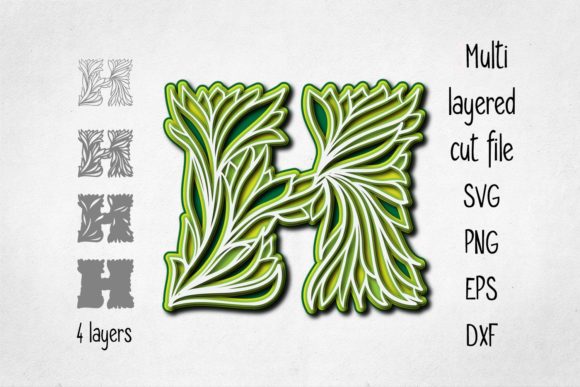
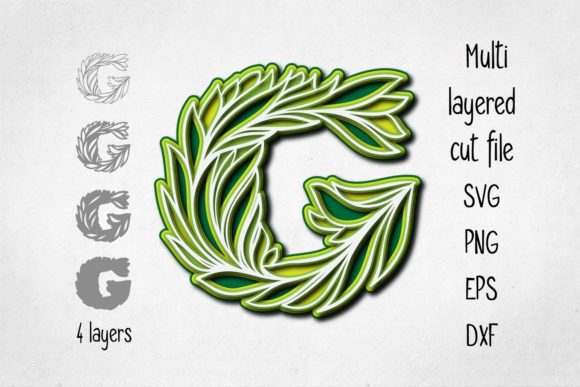
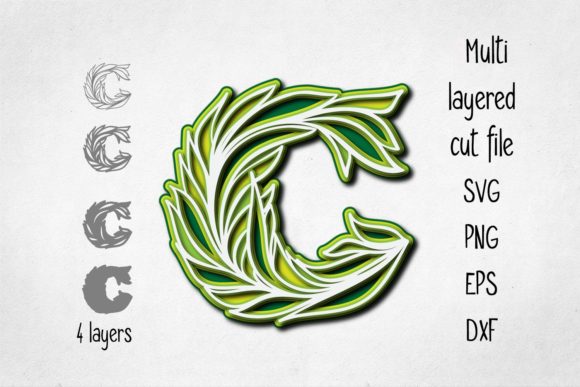
To fully appreciate the value of this design, one must understand the engineering behind it. The 3D Alphabet Layered Letter C is not merely a single image; it is a composite file containing several distinct layers. Each layer represents a cross-section of the letter, slightly offset from the one before it. When these layers are physically separated by spacers—whether they are small blocks of foam, wooden dowels, or simply air gaps—the human eye perceives depth. This technique mimics the way our eyes perceive real-world objects, adding a sense of volume that flat graphics cannot achieve.
The beauty of this design lies in its modularity. You have complete control over the final appearance by adjusting the number of layers used. A project requiring a subtle texture might utilize only three or four layers, resulting in a gentle undulation. Conversely, a bold statement piece could incorporate ten or more layers to create a dramatic, almost architectural structure. This flexibility allows creators to tailor the design to their specific spatial constraints and artistic vision without altering the core geometry of the letter.
Material Versatility: From Cardstock to Plywood
One of the most significant advantages of the 3D Alphabet Layered Letter C is its compatibility with a vast array of materials. The design files are vector-based, meaning they can be scaled up or down without losing resolution, allowing them to be cut from virtually any sheet material suitable for your cutting machine or laser cutter.
- Paper and Cardstock: For quick, low-cost prototypes or temporary displays, standard cardstock is an excellent choice. By using heavy-weight paper and leaving minimal space between layers, you can achieve a "flat look" with a slight embossed feel. This is ideal for scrapbooking, greeting cards, or classroom decorations where safety and weight are primary concerns.
- Vinyl and Stickers: Vinyl adds a glossy finish and durability. While often used for decals, layered vinyl can create stunning wall art when applied to a contrasting background. The translucency of certain vinyl types can add a modern, neon-like glow if backlit.
- Wood and MDF: For permanent installations, natural materials offer unmatched warmth and durability. Medium-density fiberboard (MDF), plywood, and solid wood are perfect for creating thick, standalone structures. Because these materials are naturally thick, they often require fewer layers to achieve a robust 3D effect compared to paper. A wooden 3D Alphabet Layered Letter C can serve as a durable piece of furniture hardware or a substantial wall fixture.
- Plastic and Acrylic: Transparent or colored acrylic sheets provide a contemporary, sleek aesthetic. Layering clear plastic creates a prism effect, catching light and casting colorful shadows across the surrounding environment.
The choice of material directly influences the spacing required between layers. Thicker materials like wood may need larger spacers to maintain the structural integrity of the letter, whereas thin papers can be stacked tightly together. Understanding the properties of your chosen medium is crucial for achieving the desired dimensional result.
Practical Applications in Home and Business Decor
The utility of this design extends far beyond simple novelty items. Its ability to be customized in size and color makes it a staple in interior design and branding strategies. The standard height of the design is over 8 inches (approximately 20 cm), which provides a substantial canvas for creativity while remaining manageable for most crafting setups.
Home Decor and Personalization
In the realm of home decor, the 3D Alphabet Layered Letter C shines as a personalized accent. It is frequently used as a monogram for initials, adding a bespoke touch to nurseries, bedrooms, or living spaces. Imagine a nursery wall featuring a large, soft pastel version of the letter, constructed from felt or painted wood, serving as a backdrop for family photos. Alternatively, a sleek black and white version made of metal or dark-stained wood can anchor a modern office space, projecting professionalism and style.
The item also functions exceptionally well as a gift. Because the design allows for various color combinations, it can be tailored to match the recipient's favorite palette. A wedding gift might feature gold-foil layers on a white background, while a housewarming present could use earthy tones of green and brown to complement a garden theme. The tactile nature of the 3D effect makes it a memorable keepsake that stands out against traditional framed prints.
Commercial Signage and Branding
For business owners, signage is the first impression a customer receives. A flat sign can easily get lost in a crowded storefront, but a layered 3D element commands attention. Using the 3D Alphabet Layered Letter C for a boutique logo, a cafe menu board, or a retail display creates a dynamic visual experience that invites customers to stop and look. The depth catches the light differently throughout the day, making the sign appear alive and changing.
Educators and researchers can also leverage this tool. In a classroom setting, a large, colorful 3D letter can be used to teach concepts of geometry, perspective, and volume. Students can physically manipulate the layers to understand how depth is created, turning abstract mathematical concepts into tangible learning experiences.
Technical Considerations and Implementation
While the creative possibilities are endless, successful implementation requires attention to technical details. The design is delivered in a comprehensive ZIP folder containing SVG, PNG, EPS, and DXF formats. Each format serves a specific purpose in the workflow:
- SVG (Scalable Vector Graphics): Ideal for cutting machines like Cricut or Silhouette. These files contain the path data necessary for the blade to follow precisely.
- DXF (Drawing Exchange Format): The industry standard for laser cutters and CNC routers. This format ensures that the dimensions remain accurate when transferred to industrial machinery.
- EPS (Encapsulated PostScript): Perfect for professional graphic design software like Adobe Illustrator, allowing for further manipulation of the paths before production.
- PNG (Portable Network Graphics): Useful for raster-based editing or for printing as a template to trace manually.
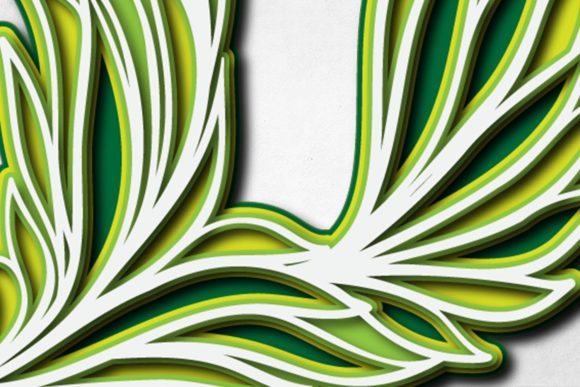
Before starting a project, it is vital to ensure that your cutting machine or software is compatible with these file formats. Most modern devices support SVG and DXF natively, but older equipment may require conversion. Additionally, the design includes thin elements that contribute to the intricate details of the letter 'C'. If you plan to resize the design for smaller projects, such as keychains or jewelry, extreme caution is required. Reducing the scale too much can make these thin elements fragile or impossible to cut accurately. The recommendation is to keep the minimum height around the original 8-inch specification or adjust the line thickness proportionally to maintain structural strength.
Color Theory and Aesthetic Combinations
The 3D Alphabet Layered Letter C is a blank canvas for color theory. The separation of layers allows for gradient effects that are difficult to achieve with solid colors. By selecting shades from the same color family—for example, moving from a deep navy to a light sky blue—you can create a smooth transition that enhances the perception of depth. This technique, known as color grading, guides the viewer's eye through the layers.
Conversely, high-contrast combinations can create a striking, graphic look. Pairing a bright red layer with a stark white background creates a pop of energy, while mixing metallic finishes like copper and silver adds a luxurious feel. The ability to mix and match materials and colors means that the same digital file can result in dozens of unique physical products. A creator might use matte black layers for the outer shell and a glossy gold inner layer to create a sense of mystery and reveal.
Conclusion on Creative Freedom
The 3D Alphabet Layered Letter C represents more than just a digital download; it is a toolkit for expression. Its adaptable nature accommodates everything from delicate paper crafts to heavy-duty industrial signage. By understanding the interplay between materials, layer count, and color, creators can produce work that resonates with audiences on both a visual and tactile level. Whether used to decorate a child's room, brand a new business, or explore the boundaries of digital fabrication, this design offers a reliable foundation for innovation. As technology continues to advance, the ability to translate digital vectors into physical, three-dimensional reality becomes increasingly accessible, and this letter stands as a prime example of that potential.
For anyone looking to elevate their projects, the investment in a high-quality, multi-format design package pays dividends in versatility and end-user satisfaction. The key lies in experimentation—trying different spacers, testing new material pairings, and pushing the limits of the design's scalability. With the right approach, the 3D Alphabet Layered Letter C transforms from a simple character into a masterpiece of modern design.